
Episode 180
Ep. 180 - Black Belt Goal Setting
Reflecting on the recent Hu Lee Classic, a tournament which served not only as a competitive arena but also as a gathering of the ATA community, I found myself immersed in a myriad of experiences that highlighted the essence of martial arts training and camaraderie. The journey commenced with my family's visit to Little Rock, where we had the privilege of touring the ATA headquarters, experiencing a sense of belonging that is quintessential to our organization. My children, filled with excitement, interacted with esteemed figures such as Chief Master Skiles, reinforcing the notion that martial arts transcends mere physical training; it cultivates relationships and a supportive network that lasts a lifetime. As we navigated through the tournament, I had the opportunity to judge various rings, witnessing the extraordinary talent and dedication of the athletes, particularly in the 50 to 59-year-old division, where creativity and technical skills shone brightly. Such experiences reaffirmed my belief in the importance of setting goals that extend beyond personal achievements, fostering a culture of excellence and support within our martial arts community.
Takeaways:
- The concept of setting black belt goals transcends traditional New Year's resolutions, emphasizing the importance of intentional and specific aspirations in martial arts.
- Engagement in ATA events fosters a deeper connection to the community, highlighting the significance of participation in tournaments and trainings to enhance personal growth.
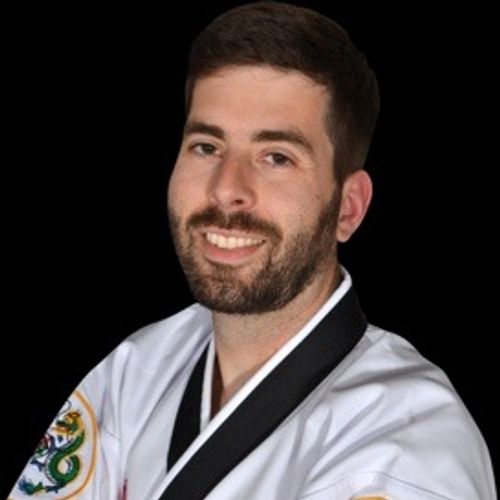
- Felix Pambux, our featured athlete, exemplifies dedication to martial arts, aspiring to achieve a world title while developing his instructional skills for future generations.
- Effective goal setting requires clarity and specificity; vague ambitions often lead to failure, necessitating a focused approach to personal and martial arts objectives.
- The SMART goal framework serves as a pivotal tool in ensuring that aspirations are Specific, Measurable, Achievable, Relevant, and Time-bound, enhancing the likelihood of success.
- Continual self-assessment and adjustment of goals are essential practices for martial artists, ensuring progress and adaptation in the pursuit of excellence in their discipline.
Transcript
Most people are setting New Year's resolutions, but not you.
Speaker A:We're setting black belt goals.
Speaker A:Let's get started.
Speaker A:Welcome to the Ata Nation podcast.
Speaker A:Welcome back 80 Nation to episode 180 of the Ata Nation podcast.
Speaker A:I'm your host, Senior Master Zack Hayden, and it is a pleasure to be back with you today.
Speaker A:It is freezing here in Indiana, so I've got this awesome beyond the belt beanie I got from Camp Jongsu last year.
Speaker A:It is the best.
Speaker A:I think they were limited edition.
Speaker A:They had black ones and red ones.
Speaker A:I don't think you can even get these anymore.
Speaker A:So fancy.
Speaker A:Anyways, I've got some things I want to talk to you guys about today before we go to our athlete of the week.
Speaker A:So first of all, a little recap of the Hu Lee Classic.
Speaker A:I told you last episode.
Speaker A:I just gotten back, didn't have time to talk about it, but man, what a blast.
Speaker A:We first of all love heading to Little Rock.
Speaker A:I've talked about it before.
Speaker A:I'll talk about it again.
Speaker A:If you haven't made it to World Championships and checked out your home at headquarters, you're missing out.
Speaker A:My kids went this year.
Speaker A:We went.
Speaker A:Friday.
Speaker A:We went and visited headquarters.
Speaker A:Took a little tour around.
Speaker A:We didn't make it up to the other floors.
Speaker A:They were going to let us in this year and we just were busy and didn't see everything and whatnot.
Speaker A:But my kids were there.
Speaker A:Got to say hi to some of our great friends at headquarters.
Speaker A:It was so funny.
Speaker A:My kids saw Chief Master Sky a couple times, and I know they've seen Chief Master Scouts before, but I don't think they've really interacted with them as much.
Speaker A:Just yesterday, my daughter was drawing a picture.
Speaker A:She draws a lot.
Speaker A:She really loves to draw.
Speaker A:And she drew this picture of a little.
Speaker A:A kitty.
Speaker A:She loves kitties as well.
Speaker A:And she was pretending this Little drummer boy from the Little Drummer Boy like Song for Christmas was a kitty.
Speaker A:So that.
Speaker A:And then she named the kitty Skiles.
Speaker A:She said, I named the kitty Skiles after Chief Master Skiles.
Speaker A:I sent a picture to Chief Master.
Speaker A:It was hilarious.
Speaker A:But that's the kind of impact your ATA family can have on you.
Speaker A:So we went down, we visited headquarters, then my family.
Speaker A:It was actually my anniversary that day.
Speaker A:So we took the rest of the day and visited some things in in Little Rock, like this Glow Glow Wild at the Little Rock Zoo, which was this amazing light glow thing with all kinds of displays all over the zoo.
Speaker A:My kids absolutely loved it.
Speaker A:So if you go down next year for the Age of Classic.
Speaker A:I would highly recommend the Glow Wild and there was a discount for ATM members.
Speaker A:For that we went to the Flying Fish, which is my favorite place to go in Little Rock every year.
Speaker A:Arianis we didn't make it this year and it was a little sad.
Speaker A:It was okay.
Speaker A:Haven't been into the butcher shop for a couple years.
Speaker A:They had some discounts at that place as well.
Speaker A:That was one of Eternal Grandmaster's favorites.
Speaker A:But then Saturday the tournament came.
Speaker A:I was going and I was going to get some interviews.
Speaker A:I thought we set up an interview table.
Speaker A:I got my stuff there and then I ended up judging like all day and so I got to interact with some people and talk with them.
Speaker A:But then I ended up judging all day and I was just talking to, to an athlete of the week that I interviewed telling him about this.
Speaker A:The last ring of the night or the day happened to be my ring and I didn't think I was running it slow.
Speaker A:I don't think it was my fault but you know.
Speaker A:And it was the.
Speaker A:I believe it was the 50 to 59 year old second and third degree division.
Speaker A:It had the wonderful Michelle Ray from headquarters in it.
Speaker A:Two great athletes from the stair school in Texas.
Speaker A:Some other, another lady from the.
Speaker A:One of the headquarters schools in Little Rock.
Speaker A:Oh, I don't remember where the other lady was from.
Speaker A:There was a couple other ladies in that ring and I'm going to tell you these ladies brought the heat.
Speaker A:Their extreme and creative especially was just insane.
Speaker A:I was so impressed with their competition.
Speaker A:Really some great stuff there.
Speaker A:So it was a lot of fun to judge that ring.
Speaker A:I got to judge some other rings while I was down there.
Speaker A:And it was neat because I don't do a lot of travel to tournaments that are not near me especially that aren't Worlds or nationals.
Speaker A:And at Worlds and Nationals I get to interact with people from other regions obviously and at regional tournaments.
Speaker A:But this was neat because it was a regional tournament that was in Little Rock and so you could tell that these were students who competed regularly at these tournaments.
Speaker A:Some of them obviously, some of them were coming in for this event special.
Speaker A:But it was just a lot of fun.
Speaker A:A lot of fun there.
Speaker A:Got a great, really cool.
Speaker A:The commemorative coin for the event.
Speaker A:And then we went right from there over to headquarters where the school owners and masters had a reception for kind of the celebration of Eternal Grandmaster and having passed away 25 years ago.
Speaker A:And it was really great.
Speaker A:Some traditional Korean food that we got to have that the Mrs. Lee and some of the other Mrs. Lee's helped make.
Speaker A:And we got to hear from some high ranks about Eternal Grandmaster.
Speaker A:An amazing video about Eternal Grandmaster and just his legacy that you can see on YouTube.
Speaker A:Really neat.
Speaker A:Really a special night.
Speaker A:I was very pleased that our family was able to make it.
Speaker A:And I just love having my, my kids get to be part of this as well.
Speaker A:Grandmaster MK came around the table a couple of times, said, hi, you know, talk to my kids and whatnot.
Speaker A:So I don't know, guys, ATA is such a special thing.
Speaker A:It is such a special thing.
Speaker A:You guys need to make sure that you are, you know, interacting with these kind of events, whether it be Camp Jiangsu, whether it be Worlds Nationals, an event like the Hula Classic.
Speaker A:It could be, you know, the athlete development training.
Speaker A:It can be the ATM Max seminar.
Speaker A:When you get to interact with the people of the ata.
Speaker A:It just makes it super special.
Speaker A:So I loved it.
Speaker A:We had a great time.
Speaker A:We had our Airbnb so that we could spend the night Saturday night and then get up early Sunday and drive home.
Speaker A:It's about a.
Speaker A:It ends up taking us 12 hours to drive.
Speaker A:And we decided just because our kids are young, my daughter had school on Monday.
Speaker A:We just were like, you know, what's going to be better is if we just drive all night.
Speaker A:So my wife and I, I drove through the night after the reception on Saturday and got home Sunday nice and early in the morning.
Speaker A:And then we were exhausted.
Speaker A:But it was well worth the trip.
Speaker A:Make plans.
Speaker A:You gotta go to.
Speaker A:Gotta go to Little Rock.
Speaker A:Okay, I have our athlete of the week and then we're gonna come and we're gonna talk about some goal setting.
Speaker A:ATA nation.
Speaker A:We have another awesome athlete with us today.
Speaker A:What's your name, sir?
Speaker B:Felix Pamuk.
Speaker A:And where are you from?
Speaker A:Give us your, like, where you train, your rank, that kind of stuff.
Speaker B:I'm a third degree black belt.
Speaker B:I live in St. Louis, Missouri and I train at Howard's Martial Arts.
Speaker A:Ah, excellent.
Speaker A:Very good.
Speaker A:St. Louis.
Speaker A:We'll be there for nationals this year.
Speaker A:That's a nice quick trip for you then, huh?
Speaker B:Yes, sir.
Speaker B:Yes, sir.
Speaker A:Can't complain about having a what, like a AAA in your backyard.
Speaker A:Yeah, so, you know, we, we love to talk to the athletes, see what you're doing.
Speaker A:What, what got you started in Mart?
Speaker B:When I was around, like 3 years old, I used to watch the Ninja Turtles.
Speaker B:Like, it used to be like my favorite, like, thing to watch.
Speaker B:And I used to really like Raphael.
Speaker B:It's this Ninja Turtle.
Speaker B:And I used to be obsessed with him.
Speaker B:I have a stuffed animal still in my room.
Speaker B:And so then I'm like, mom, can I start martial arts?
Speaker B:And so she signed me up.
Speaker B:Right.
Speaker B:And that's basically how the magic started.
Speaker A:Well, and you've been doing it ever since it seems, huh?
Speaker B:Yeah, basically.
Speaker A:Yeah.
Speaker B:Yeah.
Speaker A:And third degree black.
Speaker A:Very cool.
Speaker A:And so, um, you know, a lot of our athletes, we're big tournament people.
Speaker A:We like to go and kick people and do some cool tricks and those kind of things.
Speaker A:So when it comes to tournaments, what's your favorite event to compete in?
Speaker B:So I like my favorite event to compete in.
Speaker B:Yeah, Like, I have the most fun doing extreme weapons, but I'm more serious about create weapons.
Speaker A:Okay, okay.
Speaker A:So you.
Speaker A:The.
Speaker A:The extreme weapons is your kind of the place you get to.
Speaker A:You get to play a little bit.
Speaker B:Yeah, I enjoy doing it a lot.
Speaker B:Yes, sir.
Speaker A:Yes, sir.
Speaker A:But creative is the one you're really serious about.
Speaker A:Yeah.
Speaker A:Why would you say.
Speaker A:What's the, what's the difference between the two for you that makes you one more serious and one more playful?
Speaker B:Well, for creative, it's like I really have to focus because it's like my main event.
Speaker B:And it's my main event because I feel like I have the most asset skills to win a world title.
Speaker B:Rather an XMA weapons, I feel like it can go either way with anyone because in XMA weapons, like, it's easier to drop because you got to throw, it's easier to fall on your flips.
Speaker B:So it's like creative is like set and lock and extreme weapons, they have to see it can go any way to anybody.
Speaker A:So that's smart.
Speaker A:That makes total sense.
Speaker A:It's Extreme has got so many things that can just one little thing can make or break it.
Speaker A:And so that makes a lot of sense.
Speaker A:What if.
Speaker A:What event is your, like maybe not your.
Speaker A:Not your favorite?
Speaker B:Probably combat sparring.
Speaker A:Really interesting.
Speaker A:Okay.
Speaker A:Okay.
Speaker A:So if you.
Speaker A:Oh, do you do.
Speaker A:I forgot to ask.
Speaker A:Traditional extreme, was that open hand or weapon?
Speaker B:Weapon.
Speaker B:Weapon.
Speaker B:Creative weapons.
Speaker B:Extreme weapons.
Speaker A:What weapon is the weapon of your choice?
Speaker B:BO staff.
Speaker A:BO staff, of course.
Speaker A:Gotta go with the bow.
Speaker A:What about traditional weapons?
Speaker A:You enjoy that or do you do that just so you can do the.
Speaker A:The regular.
Speaker B:So actually for like ever.
Speaker B:Well, like recently I only did traditional weapons just so I can do creative and extreme weapons.
Speaker B:I'm not gonna lie to you.
Speaker B:I'm gonna be completely honest, sir.
Speaker B:I didn't even know the form.
Speaker B:Okay.
Speaker B:I just did.
Speaker B:I did the old traditional weapons form that wasn't updated because they change it around all the time.
Speaker B:Right.
Speaker B:So you know, I was getting threes and fours, right?
Speaker B:So then I had my friend teach me the form, and then I went to Master Howard and he corrected some stuff, and Master Howard helped me with it.
Speaker B:And so the past two tournaments where I actually tried in traditional weapons, I ended up winning both of them.
Speaker B:So I'm going to.
Speaker B:I'm going to actually, like, you know, not to take traditional weapons as a joke in my brain no more.
Speaker B:I'm going to actually be serious in it now that I know the form.
Speaker B:So I don't.
Speaker B:I don't hate it anymore.
Speaker B:I actually enjoy it.
Speaker A:It's funny how that works.
Speaker A:When you start doing well at it, you're like, okay, this isn't so bad.
Speaker A:Yeah, I get that.
Speaker A:Hey, when I think of something, I'm like, yeah, I don't like that so much.
Speaker A:Okay, cool.
Speaker A:So what kind of goals you got for the rest of the season?
Speaker A:What are you looking.
Speaker A:Looking for some red letters?
Speaker B:Yes, sir.
Speaker B:Always.
Speaker B:Yes, sir.
Speaker B: want to win a world title in: Speaker B:One or two, you know, saying it's up to God and it's up to the universe to.
Speaker B:And it's up to how much I work, how hard I work.
Speaker B:So it's up to those things to see if I can achieve that again.
Speaker B:And then another goal of mine is to become a better instructor and, like, just improve as a martial artist in general.
Speaker B:So probably the two.
Speaker B:The two things I would say was to get a world title again and then to be a better instructor.
Speaker A:Very cool.
Speaker A:So you are actively, you know, legacy training, teaching in classes, trying to improve yourself as an instructor.
Speaker B:Yes, sir.
Speaker A:What.
Speaker A:What class is like the one that you're like, this is the class I love teaching.
Speaker A:These are the.
Speaker A:These are the people.
Speaker A:So we won't tell them.
Speaker A:Yeah, we'll keep it under.
Speaker B:Yes, sir.
Speaker B:Yes, sir.
Speaker B:So I like.
Speaker B:I like the black belt class because they're more like, advanced.
Speaker B:Right.
Speaker B:And I just like watching and helping them because they usually take competing more seriously.
Speaker B:And whenever My goal in the future is to build champions, you know what I'm saying?
Speaker B:One by one, just like how ATA says.
Speaker B:So I feel like they already.
Speaker B:Black belts, they already know, like, the competition side of things, and they take it a little more serious.
Speaker B:So I like working with the black belts, and I also.
Speaker B:I like the tiger class because they're little kids and they're cute and they're funny.
Speaker A:So.
Speaker A:Yeah, yeah, no, they are a blast.
Speaker A:It's a good way to just have some fun teaching.
Speaker B:Yes, sir.
Speaker A:So what Kind of goals do you have for your martial arts?
Speaker A:You looking for mastership?
Speaker A:School owner, someday instructing?
Speaker A:What, do you have plans?
Speaker B:Yes, sir.
Speaker B:Yes, sir.
Speaker B:So I just recently turned 17, so the future, you know, I'm saying it's like far away, right?
Speaker B:But my goals in the future would be like to own a martial arts school.
Speaker B:I've wanted to do that since I was like 7 years old.
Speaker B:Like, I've already known what I wanted to do.
Speaker B:So on a martial arts school, probably by doing that, I'll be a master, because that's probably what I want to do for the rest of my life.
Speaker B:So, yeah, probably own a school.
Speaker B:Yeah, yeah, yeah.
Speaker B:That's the goal.
Speaker B:That's the plan.
Speaker A:That's awesome.
Speaker A:What a great.
Speaker A:What a great goal.
Speaker A:It works out, you know, it's.
Speaker A:It's a great life.
Speaker A:I'm not going to lie.
Speaker A:I was just doing some gym classes at a local middle school and I told them, like, guys, I get to go on and taught middle school, but I get paid to kick kids and it's illegal to kick kids in school.
Speaker A:So it's.
Speaker A:This is a way better gig.
Speaker B:Yes, sir.
Speaker A:So, hey, as we get ready to wrap up here for you, you know, we, we talk about in the building, champions beyond the belt.
Speaker A:What's it mean to you to be an athlete that goes beyond the belt?
Speaker B:So for me personally, I would say using some of the life skills we gave from ata.
Speaker B:Like, honestly, for me, I would use an example as belief, using it outside of ata.
Speaker B:Like, belief is yes, I can.
Speaker B:Okay.
Speaker B:And you can use that in so many aspects of life.
Speaker B:Like, for example, let's say you're struggling on some homework, right?
Speaker B:You're not about to just go give up and stop doing the homework and get an F. No, you're going to persevere.
Speaker B:You're going to have belief in yourself.
Speaker B:You're going to have that Yes, I can mindset and you're going to get that homework done.
Speaker B:Same with other aspects in life.
Speaker B:Like, I was fixing my car today.
Speaker B:I had troubles with my tire and I didn't just, like, give up.
Speaker B:After my hands got a little dirty and I couldn't figure out how to do it, I continued, I did some research and I fixed my tires.
Speaker B:So I would say using those ATA life skills outside of ata.
Speaker A:Love that.
Speaker A:That is great advice.
Speaker A:Well, sir, congratulations on being an athlete of the week and thank you so much for your time today.
Speaker B:Thank you so much, sir.
Speaker A:Oh, man, do I love hearing athletes talk about being instructors, future masters, school owners, because this life is fantastic.
Speaker A:Being an ATA martial arts instructor is amazing.
Speaker A:Like I said, I got to go to H?
Speaker A:Le Classic with my family and just experience the fun.
Speaker A:So much greatness.
Speaker A:Now that brings me to setting goals.
Speaker A:Guys, it is about the end of the year.
Speaker A: e getting close to the end of: Speaker A: Heading: Speaker A:We need to be setting goals like black belts.
Speaker A:Lots of people out there set New Year's resolutions.
Speaker A:We set goals and these are things we should always be monitoring and adjusting.
Speaker A:I do a show for the licensees of ATA called Business beyond the Mat.
Speaker A:I just interviewed a great, a bunch of great owner operators that are killing it.
Speaker A:And one of the things that really stood out to me was the way that they don't have this like end of year thing as much as just a constant evaluation of their goals, their systems, how they're working things to make sure they get to where they want.
Speaker A:But a lot of us, you know, the end of the year is a great time to reflect, think back, make sure that we're on track with our goals for the new year, for our long term goals.
Speaker A:And so I wanted to hit those a little bit.
Speaker A:So number one, part one in our kind of our goal setting message here is what we why most goals fail.
Speaker A:And this is a little, this is science back.
Speaker A:Okay?
Speaker A:So goals fail because they're vague and emotional.
Speaker A:Okay.
Speaker A:This is backed by, you know, actual science.
Speaker A:Go read, go out and get habits or atomic habits.
Speaker A:Atomic habits.
Speaker A:Great book.
Speaker A:Okay.
Speaker A:So your brain loves clarity and not wishful thinking.
Speaker A:I want to be better.
Speaker A:Gives your brain nothing to actually like hold on to an act on.
Speaker A:The research shows that when you write goals down, increase of follow through is like 30 to 40% higher follow through rates.
Speaker A:So we want to make sure that we're writing our goals down and then making sure we realize that progress triggers dopamine.
Speaker A:Progress triggers dopamine, not the goal like itself.
Speaker A:Here's a little tricky thing, and I've read this somewhere, I can't remember which study this was in.
Speaker A:But because progress triggers dopamine, you do have to be a little careful when you set a goal that dopamine hit can go.
Speaker A:When you tell other people about your goal, that's another hit of dopamine, which is good.
Speaker A:But sometimes people stop there and you need to make sure that you're continuing from there.
Speaker A:You want to get those continued little dopamine hits.
Speaker A:Setting the goal is one telling people about your goal.
Speaker A:So you're accountable is two.
Speaker A:But you've got to keep going from there.
Speaker A:Okay?
Speaker A:You know, you've got to have this progress.
Speaker A:So you're getting those dopamine hits.
Speaker A:This is why, you know, in martial arts, what do we do?
Speaker A:We have goals by, you know, what belt you testing for?
Speaker A:What striper are you getting?
Speaker A:You know, the tournament cycle, you know, midterms for black belts, those kind of things.
Speaker A:So really important to make sure that we keep those in mind, that the progress is what actually helps us stay on the goal because we get those scientifically, you know, proven dopamine hits.
Speaker A:And that's what our body wants.
Speaker A:So let's talk about the smart goal system.
Speaker A:We know this acronym.
Speaker A:If you don't know this about acronym, acronym been hiding, you know, under a. I don't know, under a wavemaster somewhere.
Speaker A:The S is specific.
Speaker A:You've got to make sure your goals are specific.
Speaker A:So a bad goal.
Speaker A:I want to improve in martial arts.
Speaker A:Good goal.
Speaker A:I want to earn my next belt.
Speaker A:I tell my students this.
Speaker A:You need to make sure you have.
Speaker A:You should know that when you're testing for your next belt, if your color belt, you should know approximately when.
Speaker A:When you're testing for your black belt.
Speaker A:Soon as I got my black belt, I knew I was like, this is when I want to test for my next one.
Speaker A:And those goals might get adjusted as you go, but you've got to have a plan to the M in smart is measurable.
Speaker A:A bad goal.
Speaker A: I'm going to train harder in: Speaker A:What is it?
Speaker A:What does that even mean?
Speaker A:I'm going to attend class twice a week, every week for six months straight.
Speaker A:Okay.
Speaker A:Or I'm going to make sure I hit sparring class.
Speaker A:Or I'm going to make sure I'm spend 10 minutes outside of class every day, whatever the case may be.
Speaker A:Okay?
Speaker A:It's got to be measurable.
Speaker A:You've got to be able to see like that I'm doing it.
Speaker A:All right.
Speaker A:So important to make sure that you are setting a goal that you can measure.
Speaker A:Am I getting closer?
Speaker A:I'm getting.
Speaker A:This is what stripes and belts are for.
Speaker A:This is what midterms are for.
Speaker A:This is what belts are for.
Speaker A:Am I getting closer?
Speaker A:The A.
Speaker A:Is this achievable?
Speaker A:Big goals are great, but unrealistic goals kill momentum.
Speaker A:All right?
Speaker A:Tied to this to effort, not talent.
Speaker A:Black belts aren't built by perfect weeks.
Speaker A:They're built by consistent ones.
Speaker A:You have to be consistent, make sure your goal is achievable.
Speaker A:A lot of people, this is When I want you guys to set goals to be world championships, I world champs, I want you to set goals to be district gyms.
Speaker A:But sometimes we set a goal to be like, you just started competing in a new division.
Speaker A:Let's say it's, it's a second third degree division.
Speaker A: ing to be a world champion in: Speaker A:Okay, like is that, is that the smartest goal to be setting?
Speaker A:I'm not saying it's impossible, but maybe we should look at something.
Speaker A:Because when you start going and you're like, hey, I've never done, you set that giant goal.
Speaker A:The unrealisticness of it kills the momentum.
Speaker A:If you start going to tournaments and you don't do very good, then you're just done.
Speaker A:You're just like, I'm not doing anywhere.
Speaker A:And we don't want that to be the case.
Speaker A:Okay?
Speaker A:So make sure your goal is achievable.
Speaker A:Set big goals.
Speaker A:We want big goals, but achievable.
Speaker A:The R in smart is relevant.
Speaker A:Okay.
Speaker A:Why does this matter to you?
Speaker A:The why is so important.
Speaker A:My mom wants me to get it.
Speaker A:Okay, that's not a good why.
Speaker A:All right, what is the why behind the goal?
Speaker A:The why has to really matter to you so that the motivation stays.
Speaker A:You've got to make sure that you understand the relevantness of this.
Speaker A:It's just something your mom wants you to do or you're friend wants you to do.
Speaker A:You're probably not going to be, you know that excited about it.
Speaker A:It's got to be relevant.
Speaker A:And the final one t is time bound.
Speaker A:There's got to be a deadline.
Speaker A:This is why we got testing cycles.
Speaker A:This is why we have tournament seasons.
Speaker A:We, you've got to have a deadline.
Speaker A:When I, when I got, I don't know what rank I was when I decided to set the goal of being a master and I said I was going to be a master by the time I was 35, I think I could do it as young as 31, but I gave myself a little leeway in there just in case, you know, things go wrong, you have injuries, don't get permission, tests have best and bad test, whatever the case was you, and that was a long term goal because I said that probably when I was like, I don't know, a second degree, third degree.
Speaker A:You've got to have a time bound to help you create that sense of urgency.
Speaker A:Now I don't want to leave you there with just the Smart goals acronym because we usually have that.
Speaker A:We need to use the, the best science, the best information out there today to help us set these goals and keep them.
Speaker A:So identify your goals.
Speaker A:Think, think through them.
Speaker A:So here's, here's an example.
Speaker A:Instead of I want to train, I am someone who trains consistently.
Speaker A:Identity goals.
Speaker A:You want to be like, can I shift my identity?
Speaker A:That makes a big impact in your goals.
Speaker A:Okay, act like the person you want to become.
Speaker A:I am a black belt.
Speaker A:I am a master.
Speaker A:I'm the kind of person who will become a master.
Speaker A:For a lot of us in the martial arts, you know, this is why I love having these athletes of the week.
Speaker A:For a lot of us who started martial arts, we didn't think about it.
Speaker A:Athletically, I'm an athlete.
Speaker A:It's taken me a lot of time to own the idea that I'm an athlete.
Speaker A:Even though I've done martial arts for like 30 years, obviously I'm an athlete.
Speaker A:Density goals say things that, that help you identify as that kind of person.
Speaker A:That's going to help you stay on the path with these.
Speaker A:This the goals that you set for 20, 26.
Speaker A:Okay, so habit number two after identity goals would be to make sure that the habit is more important than the outcome.
Speaker A:This is where, where results happen are by the actions that you take.
Speaker A:So focus on what you do weekly, not the final result.
Speaker A:So if I here in business, they call these lead measures and lag measures.
Speaker A:I want.
Speaker A:So let's say I want to lose five pounds.
Speaker A:What I don't focus on is the pounds I'm eating.
Speaker A:What I do focus is on is what I'm eating for each meal, not how many pounds, but what I'm eating for each meal.
Speaker A:That's going to be what helps me.
Speaker A:Okay, the habit is more important than the outcome because the habit will help me get there.
Speaker A:So maybe I want the outcome of being a world champion.
Speaker A:What are the habits that a world champion had and then how do I make sure that I'm consistent with those habits?
Speaker A:One, I would identify as a person who has those habits, and two, I would make sure that I stick with those habits.
Speaker A:Those are going to help you get to the outcome of being a world champion or being a black belt or being an instructor.
Speaker A:What is the habit that's helping me get to that goal?
Speaker A:If you don't have a habit, if you don't have things that you're doing consistently, you're not going to get to that outcome because you're not doing the work to get there.
Speaker A:And then finally, the third kind of hack here is to make it visible.
Speaker A:Write the goals down, post the goals, share the goals, put them on your mirror, put them where you see them every day.
Speaker A:And make sure that there are things that you see and your brain is thinking about so that they're paying attention.
Speaker A:Your brain is actively working on, hey, that's the kind of person I am.
Speaker A:That's the habit I need to make sure you do really important as you go to set those goals this year.
Speaker A:Make sure you're, you're, you're setting these smart goals using these little hacks.
Speaker A:Go read.
Speaker A:Atomic Habits is going to help you if you want a book that's going to help you in the new year.
Speaker A:But here's a little challenge for you.
Speaker A: our martial arts training for: Speaker A:Share it with us, Share it online.
Speaker A:Share it with your parents, your instructors, your training partners.
Speaker A:But write a smart goal for your martial arts and then what are the habits that you're going to do you're going to make consistent in your life to reach that really important?
Speaker A:Okay, let's, let's train with intention this year.
Speaker A:Let's lead with purpose.
Speaker A: Let's make: Speaker A:Okay, you guys are at nation.
Speaker A:We've got this.
Speaker A:It's time to get out there and be a champion.
Speaker A:Beyond the belts ATA Nation podcast, be.
Speaker B:Sure to subscribe and share with your ATA family.