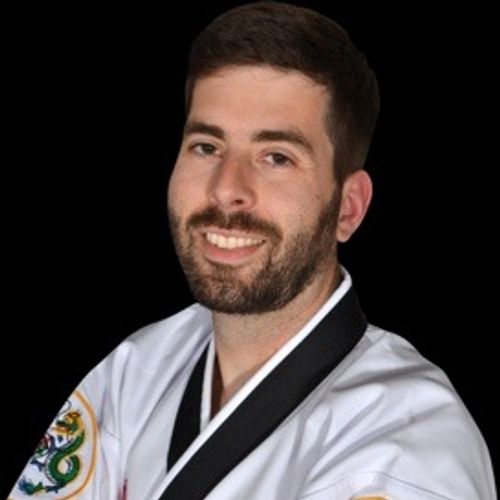

Episode 187
Ep. 187 - Exploring the Transformative Power of Songahm University
The principal focus of this podcast episode is an enlightening discourse surrounding Songam University, featuring an interview with Grandmaster Nominee Eugene Candreva. Throughout our conversation, we delve into the multifaceted educational opportunities provided by Songahm University, which are designed to equip individuals with the requisite skills for teaching martial arts and managing educational institutions. We emphasize the significance of this program not only for aspiring martial arts instructors but also for those seeking to enhance their business acumen within the martial arts community. Furthermore, we highlight the importance of early engagement in martial arts education, particularly for high school students and adults who may wish to further their careers in this discipline. This episode is a compelling invitation to explore the myriad possibilities that Songahm University offers, encouraging listeners to consider how it can serve their personal and professional growth within the martial arts arena.
Takeaways:
- The podcast episode features a comprehensive discussion about the educational opportunities provided by Songahm University, highlighting its significance for martial artists.
- Grandmaster nominee Eugene Candreva outlines the structure of the Songam University program, detailing certification levels and associated coursework.
- Listeners are encouraged to explore the benefits of Songahm University, especially for high school students and martial arts instructors seeking to enhance their skills.
- The episode emphasizes the importance of practical experience through the program's practicum, which involves real-world application in martial arts schools.
- The conversation reveals insights into the marketing aspects of running a martial arts school, including the necessity of a solid business plan.
- Yasmine Mahdi, an athlete guest, shares her personal journey in martial arts, illustrating the positive impact of martial arts on self-confidence and community involvement.
Transcript
It's time to go to school.
Speaker A:Let's talk about it.
Speaker A:Welcome to the Ata Nation podcast.
Speaker A:Welcome back to episode 187 of the Ata Nation podcast.
Speaker A:My name is seniors Master Zach Hayden and I am thrilled to welcome you back to the amazing podcast.
Speaker A:We are super excited to have you as part of our audience.
Speaker A:And do us a favor right now, take a picture of where you're listening to this and share it with your social media crowd.
Speaker A:Okay?
Speaker A:Or share a link, send a link to some friends and let them know.
Speaker A:Because let me tell you, today we have an interview with Grandmaster nominee Candriva talking about Songam University.
Speaker A:And I know some of you or a lot of you guys have seen a little like a post about Songhum University somewhere.
Speaker A:You saw something about Song University, but I'm telling you, this is such an amazing program that I think so many of you could go out and take advantage of.
Speaker A:If you especially are in high school or after early college, even adults, this could be an amazing opportunity for you.
Speaker A:And now is the time to start looking into it as we get ready.
Speaker A:You know, we've got, you know, the end of the tournament season coming, but then we've got the fall of the new school year and that's kind of when this comes in.
Speaker A:And so you want to start kind of investigating this now.
Speaker A:So, guys, there's so much cool stuff with Songam University.
Speaker A:We're going to have this interview with chief Master, excuse me, Grandmaster nominee Kay Andrea.
Speaker A:And then after that, we're going to go right to our athlete of the week.
Speaker A:We've got an action packed show for you today.
Speaker A:Let's get to it.
Speaker A:ATA Nation, super excited to have with us.
Speaker A:I believe the correct title is grandmaster nominee.
Speaker A:Grandmaster candidate Kendriva.
Speaker A:Nominee is the right one nominee.
Speaker A:Okay.
Speaker A:I always get confused.
Speaker A:Candidate comes first.
Speaker A:Nominee got second.
Speaker A:You got your letter.
Speaker A:So you're ready to be a nominee, right?
Speaker B:Yeah.
Speaker B:Unless I do something stupid.
Speaker A:Don't do that.
Speaker A:Anyways, hey, you are one of the head honcho guys about Songam University.
Speaker A:And we've, we've talked about Sondland University on the show in the past, but I just think this is such an underutilized idea for licensees to think about for their staff.
Speaker A:And there's just all of those listening out there in at Nation who are thinking about the idea of starting schools.
Speaker A:I have, or working for school, getting a degree.
Speaker A:You love martial arts.
Speaker A:Because I've talked to a lot of athletes of the week recently and so many of them are like, I want to be A certified instructor.
Speaker A:I want to, you know, own a school.
Speaker A:I think this is such a great program.
Speaker A:Just give everybody an overview.
Speaker A:Just like a quick.
Speaker A:Like, what is it that Sungam University does?
Speaker B:Okay, a quick way to explain it is Sangam University has three parts to it.
Speaker B:They have a level one certification which would take the student through white through purple belt, and making sure that they have all the proper techniques that are able to teach those techniques.
Speaker B:They're doing stances correctly.
Speaker B:They do discussion groups amongst themselves in the course on different techniques and things like that.
Speaker B:Or even maybe writings from Grandmaster Hu Lee.
Speaker B:That's in the way books, which are behind me over here.
Speaker B:You know, they do essays and then of course they do all the videos and they also do the forms through the course time, breaking down in segments or phases as it's known in the books.
Speaker B:So that word there, then there is the associate's degree.
Speaker B:And the associate's degree has additional classes.
Speaker B:Now when they're going through the certificates, level one and level one advanced, they are taking courses like a general marketing class.
Speaker B:They're taking maybe a general office management class.
Speaker B:They may take a very general business type class, a child early childhood learning class, some very basic stuff on the certificates.
Speaker B:When they go to the associate's degree now they're taking, you know, a statistics class, a writing class, composition type writing, technical writing class.
Speaker B:They're taking a psychology or sociology classes.
Speaker B:They're taking a humanities class which meets the requirements by colleges for a associate's degree.
Speaker B:Now the other part to this is there's the practicum, because this is structured like if somebody was taking solar and wind or gas and oil or welding, where they take classes at a college and then they work in the field and they come to their school that's sponsoring them and they work seven hours for free in your school.
Speaker B:And we require them to start to work in the school, learning the front counter, you know, with your director.
Speaker B:Yeah, helping of course, teaching on the class and the floor, but also doing inventory for you, you know, helping out and other areas of maybe your CRM, your customer relations, you know, doing attendance and also, hey, you know, cleaning a bathroom.
Speaker B:There's nothing wrong with cleaning the school.
Speaker A:You got to do it, you know.
Speaker B:Helping the instructor out that way.
Speaker B:But what we've done now with that practicum is we've put in some more business aspects from the ATA view, such as, okay, they took a basic marketing class.
Speaker B:Now here's information from ATA that these are the type of things that you would build to market your School internally, parents night out, birthday parties, things like that.
Speaker B:But you could also put together some marketing, like self defense for women going out to working with maybe a local school.
Speaker B:Some of these smaller towns or villages or suburbs, you know, they may have one elementary school and you go and do some type of little, you know, violent protection thing or a bully protection type class.
Speaker B:So you're learning to build marketing in that class.
Speaker B:And then in some of the other practicums, they are looking at CRMs and what is a CRM program software.
Speaker B:And looking not only the ones that are focused on taekwondo or martial arts or jiu jitsu or any of those, but also what a dance school might use, what a weight gym may use for their CRM and the differences and why we look at the ones we do.
Speaker B:And then there's a module in one of the courses of the practicum of writing a business plan.
Speaker B:You want to start a school, this is what you have to do.
Speaker B:You have to build a business plan.
Speaker B:Know your demographics, know what it's gonna cost you to rent a spot, or is it more advantageous for you to rent a gym from a school two nights a week to get started and build a base before you go out and actually get a storefront?
Speaker B:You know, different things like that.
Speaker B:What is your insurance cost?
Speaker B:What are the different things?
Speaker B:Look at the different types of leases.
Speaker B:You know, you have a, what they call a basic lease.
Speaker B:You have the, you know, total net one that then also includes your parking lot and snow plowing and all the other stuff.
Speaker B:You know, what does your utilities cost in your area?
Speaker B:So that all goes into that type of business plan.
Speaker B:And they've got to research that over the 15 weeks that they're doing and build an actual business plan.
Speaker B:And then the last module that we have in the last course, which is actually tied onto the associate's degree, is a sales module.
Speaker B:How to answer the phone with a script.
Speaker A:I love that.
Speaker B:You know, how to talk to people coming in for an intro, how to close the sale.
Speaker B:I'll use just those three.
Speaker B:There's a couple more things in there, but those three, the scripts that schools, the big schools, that 20% schools use a system, this is in there so they can do it.
Speaker B:Now, this data was gathered from all ATA aspects, playbooks.
Speaker B:They were gathered from all the years that the ATA had a playbook that years ago, you may remember, if you wanted to open a school, you spent three, four days down at headquarters going through a business class.
Speaker A:Yeah, yeah, yeah.
Speaker B:So it's.
Speaker A:I.
Speaker A:This makes me think About.
Speaker A:Yeah, it makes me think about, you know, this business plan.
Speaker A:I.
Speaker A:Before I opened my school, I had to go to headquarters for a basic business course, spend a couple days, you know, Grandmaster dilegi made us write these business plans.
Speaker A:This is like, what.
Speaker A:And a lot of this is some updates to Songhem University as you guys have gone.
Speaker A:So you've got the physical side, you've got the business side, you've got the education.
Speaker A:So it's all around.
Speaker A:You get this associate's degree at the end.
Speaker A:And I'm, you know, like, I think there's a couple of scenarios that this makes me think about.
Speaker A:One, I am maybe a licensee, and I'm like, hey, I've got a student who's really interested in opening a school, and I don't have, you know, the bandwidth to.
Speaker A:To help them with that right now.
Speaker A:Or I. I am not in a position.
Speaker A:Maybe I don't feel confident with that yet because I'm a newer or I just.
Speaker A:It's not my thing because I run a school because I love it and not because, you know, it's my.
Speaker A:And so I send them to this.
Speaker A:You know, I'm like, hey, do this.
Speaker A:This is a great way.
Speaker A:You're going to get an associate's degree.
Speaker A:You're going to learn all these kind of things.
Speaker A:That's one aspect I think of.
Speaker A:I think of like, maybe you're.
Speaker A:I mean, and I don't want to.
Speaker A:I love ATA licensees, but we all know there's.
Speaker A:Everybody's a different licensee.
Speaker A:And you might be in a school where the licensee is a great instructor, but not the world's greatest business owner.
Speaker A:That just happens, you know, that's the truth of.
Speaker A:Of people out there.
Speaker A:And you want another aspect of how to learn some things.
Speaker A:Sangam University might be a good way to go.
Speaker A:I mean, honestly, I.
Speaker A:If this was around when I was a, you know, a high schooler, man, I would have jumped on it.
Speaker A:I know you can still do it as an adult.
Speaker A:You can do Songam University.
Speaker A:Who can sign up for it right now?
Speaker B:Anybody that is in high school and above.
Speaker B:Okay.
Speaker B:We have, I would say 50, maybe 60% of the population that has come through the program have been high schoolers.
Speaker B:Okay.
Speaker B:And then you have probably another 20, 25% that are veterans that came out of the military and are using their military privilege for schooling because they want.
Speaker B:They've retired.
Speaker B:I have, I think there was like five or six off the top of my head that have come through it or are still going through it.
Speaker B:And I'll use Gary Williams as an example.
Speaker B:I believe he is a, a colonel from the Air Force and he's going through this.
Speaker B:He's retired, he's got his retirement, but he's also got those benefits to be able to go to school.
Speaker B:So he's using those benefits to enhance his knowledge of taekwondo and the aspect of teaching because it gives a different look.
Speaker B:The way you teach and the way I teach may be different.
Speaker B:I'm a traditionalist.
Speaker B:I don't do block teaching.
Speaker B:Some schools do the traditional block, you know, yellow, orange and yellow, camo green.
Speaker B:And then you've got others that do white through camouflage.
Speaker B:So there's different aspects of teaching that's out there.
Speaker B:So this gives it a little bit more enhancement in that.
Speaker B:Now, like you said, I'm that middle type school.
Speaker B:I'm the owner, operator, chief bottle washer and bathroom cleaner at the school.
Speaker B:I don't really have a staff.
Speaker B:I have my wife, you know, who does some of the desk work and stuff like that, attendance and stuff like that.
Speaker B:But when it comes down to paying those bills and all of that, that's what I have.
Speaker B:Why?
Speaker B:Because my average age is 16 or under and most of the time it's the 3 through 6 year olds.
Speaker B:I had 24 tiny tigers on the floor this week.
Speaker B:I can't teach them to run a CRM program.
Speaker B:You know, they can't even spell it.
Speaker A:Not very well, no.
Speaker B:Yeah.
Speaker B:So, I mean, there are so many different types of ATA schools and clubs out there.
Speaker B:And you know, you mentioned something earlier when we were talking that it's also about your, as a school owner moving forward in, in rank.
Speaker B:What does Master Tammy say?
Speaker B:You get rank for your own personal benefit and privilege.
Speaker B:But title is for the association.
Speaker B:Just a quick note on that.
Speaker A:Yeah.
Speaker A:Your leadership.
Speaker A:Yeah.
Speaker B:Yep.
Speaker A:Yeah.
Speaker A:And this is gonna help.
Speaker A:I mean, if you are one of those guys who, you know, I live in a small town.
Speaker A:I realized over the last 20 years that I have not taken advantage of some opportunities that I could have had some young people, you know, maybe opening some clubs and things.
Speaker A:The, the, the, you know, club filler or feeder kind of model.
Speaker A:And then if I had something like Songam University back then, because I was so busy being the guy who ran the school, you know, and it was just hard to come up with those opportunities and, and then train those people at that same time to do it when I was in the middle of things.
Speaker A:You know, had I gone back and done it, I would do it differently.
Speaker A:But now I'M like, hey, man, I could just plug this kid into this Songam University if they're interested and right away they could run a club.
Speaker A:You know, you're in an associate's degree already, you run a club.
Speaker A:You know, if they want to then continue their education after that and use the club as kind of supplemental income, just a side project that they want to do.
Speaker A:But that's still building, you know, Song Arm, building my legacy, helping them continue to do something that they really love as well.
Speaker A:What, like just ballpark, you know, if I'm looking at, you know, a parent who's like, okay, what's this going to cost me?
Speaker A:What, what am I going to pay to get my kid in a program like this?
Speaker B:Well, okay.
Speaker B:Community colleges are usually a lot cheaper than going to a big college university.
Speaker B:Okay, Yeah, a lot of times you're looking at a community college somewhere around that 100, let's say 150, depending.
Speaker B:It all depends on credit hours, too.
Speaker B:That's something that parents need to understand that there's a cost per credit hour.
Speaker B:So if it's $150 and it's a three credit hour thing, so, you know, that may be $300 and some dollars for that course, where at a university you may be paying $500 a credit hour and for that you're looking at $1,500 for that one course.
Speaker B:That's why some of the universities now that people, you know, go about is like, it's, you know, $27,000 for a semester, you know, and that freaks the other nice side.
Speaker A:You could have bought a house by the time you're done with college.
Speaker B:Yeah, more.
Speaker B:More than a nice house.
Speaker B:But the other side of this too is that if you're in high school taking this, a lot of high schools have what's called dual credit classes or AP classes.
Speaker B:Dual credit just simply is I'm taking a course that the college recognizes as a creditable class, or I'm taking that class at the community college and the high school recognizes it as an accredited class.
Speaker B:And guess what?
Speaker B:The school district pays for it.
Speaker B:You don't pay for it.
Speaker B:So those English classes or math classes or psychology classes could all be taken care of by that.
Speaker B:The downside of that is most of the school districts say you have to be a junior or senior, an AP class.
Speaker B:You have to take a test at the end of the AP term and have a certain grade level to get the credit.
Speaker B:So there's a difference there with that, you know.
Speaker B:But when we're looking at the certificates.
Speaker B:There is usually one class that you take with the college and then the Sangam classes.
Speaker B:Okay.
Speaker B: The actual, what I call the: Speaker B:And then the practicum class where you're working at the school for seven hours.
Speaker B:And then the summer sessions right now are like an internship.
Speaker B:You go to Worlds and Shaska gives me a spreadsheet and the students sign up to work with wma, setting up and taking down and sometimes even helping restock, working with the tournament department, handing out the world champion T shirts, getting awards to boxes to the rings, helping with some maybe minor paperwork that they want done.
Speaker B:Signing people in for Thrive, signing people in for Master Skiles' different training classes.
Speaker B:So they do an internship at Worlds.
Speaker B:If they don't go to Worlds.
Speaker B:And this is usually the.
Speaker B:The hook to get them to Worlds, they have to write a term paper.
Speaker B:And that term paper has to relate with martial arts and maybe the body mechanics of the martial arts.
Speaker B:So now you have somebody that's in school and is done for the summer.
Speaker B:Do I want to write a term paper?
Speaker B:I think I want to go to Worlds and they're there to help and they get the credit hours.
Speaker A:Phoenix in July doesn't sound so bad when it's that or a term paper.
Speaker B:Yeah.
Speaker B:And they're journaling.
Speaker A:I think I'm gonna need.
Speaker A:So I'm gonna get with you this year about having a couple of of those interns help out with the live broadcast of the Songam Cup.
Speaker A:I'm always in need of some assistance there, so we'll have to connect beforehand.
Speaker A:That'd be good.
Speaker B:Yeah, that would be.
Speaker B:They'd love to help out.
Speaker A:Okay.
Speaker A:So yeah, that'd be awesome.
Speaker A:So somebody's interested in this.
Speaker A:Another thing we were talking about beforehand now through this, with your school's permission and making sure we go through all the right hoops and stuff.
Speaker A:But they can actually certify as an instructor as they're going through Songhem University too, correct?
Speaker B:Yes, yes.
Speaker B:Depending on their level already and legacy.
Speaker B:I've worked with Chief Master Skiles on this and then of course went through with Chief Master Schreiber and got all the legal paperwork properly done and reviewed and approved by CEO Senior Master.
Speaker B:Going to be sometime real quick here, Chief Master Takwan Lee, that we could do this.
Speaker B:Now there is paperwork that the school owner would say, yes, I am giving permission for you to go ahead and certify through.
Speaker B:What does that mean?
Speaker B:Well, in the practicums, the student builds what's called an eportfolio.
Speaker B:Think of it as an online resume.
Speaker B:So the different essays they've written, the videos they've done for forms and techniques and all that are put in there, the stuff that they're doing through their practicum courses like the marketing, the business stuff that all goes in there and that would be reviewed by the ATA training department and Sangam University instructor right now, it's me.
Speaker B:And they would be evaluated there.
Speaker B:The important thing to understand with this is the school owner does not, I repeat myself, does not lose the control over that person.
Speaker B:They are still yours.
Speaker B:You have all the benefits, whether it's financial or anything.
Speaker B:As they go out and get a school, you're their senior, the fees get to you, everything there.
Speaker B:The only thing you're allowing us to do is put them through this.
Speaker B:And I think a lot of people have gone through these different legacy testings at schools.
Speaker B:This is a continuous big build.
Speaker B:They're actually teaching constantly and doing all these different techniques, demonstrating the kicks and teaching how to do the blocks and the advanced blocks and things like that.
Speaker B:And it's all in the E portfolio.
Speaker B:And the school owner, if so wishes to view those eportfolios, the student will give them access to the eportfolio so they could look it over.
Speaker B:Now a lot of times the school owner is already seeing if it's a marketing thing like for a birthday party or parents night out or a self defense for women or something like that that they've billed.
Speaker B:They actually do the marketing flyer.
Speaker B:They do the whole thing of how it's going to run, what the time frame is.
Speaker B:They do the whole concept of it and they should be having their school owner look at it anyways to see if it's feasible.
Speaker B:And we've had some school owners in the past before we got this permission take on what the student wrote and said, hey, this looks real good.
Speaker B:Go ahead, it's yours.
Speaker B:What are you charging?
Speaker B:What are we going to do here?
Speaker B:What does the school get from it?
Speaker B:Okay.
Speaker B:And like I said, this still helps.
Speaker A:The school owner all around.
Speaker A:I mean it just sounds like an amazing opportunity.
Speaker A:It's such a cool system that's set up.
Speaker A:I think people need to, I think one as students out there, really something to investigate, reach out.
Speaker A:I know on the ATA's website they can go to the Songam University tab.
Speaker A:I'm sure if they reach out to you online they can, they can talk about it more.
Speaker A:And then licensees, I think there's a really great way that you can incorporate this as some training, as some encouragement for your students.
Speaker A:I think there's a lot of benefits here.
Speaker A:I know I've got a couple of people I'm going to talk to and continue to push in this direction because I think it's just such a great opportunity and a good fit for them.
Speaker B:It is.
Speaker B:I mean, you know, I'm.
Speaker B:I'm what I call a small school owner.
Speaker B:Like I said, I've got, you know, tons of tiny tigers and if I've got, you know, 2 or 3, 4 that are years old or 16 year old, it's usually the 10, 9, you know, 13 year olds going through their drama.
Speaker B:So you know, I don't have that position to push them into it as of yet.
Speaker B:But it's such a program for those schools that don't have a big system to teach, to develop instructors.
Speaker B:We know those big schools, you know, the churches, the Isaacs, the Wagmans and things like that, they have, you know, systems, you know, the Newberrys, they have the systems that they have that they develop.
Speaker B:But the medium to small school owner that has 100, 125 students in it, they may not have a system to get somebody prepared.
Speaker B:How many school owners have really written a business plan to starting a school and that's in this course or would be able to teach their student to write a business plan?
Speaker B:You know, that's a better one.
Speaker B:They may have done a business plan, but they may not do or know how to instruct on a business plan for them.
Speaker B:Usually, you know, you call headquarters and say, hey, I'm interested in a spot.
Speaker B:Master Jacob starts doing the research for you, you know, and gets it.
Speaker B:Well, the business plan you need to know that you need to develop that, you know.
Speaker B:And we were talking earlier about the people that are in it.
Speaker B:There's been a lot of school owners that have gone through.
Speaker B:Sangam University Chief Master Kelly Shoup went through it.
Speaker B:I think she said she's like one or two classes shy of the associate's degree.
Speaker B:You know, her son went through it.
Speaker B:You know, there's quite a few school owners that have taken this to see what it's like.
Speaker B:And then you have some that just wanted their certificates, such as the Sestaire children.
Speaker B:They went through and got their certificates.
Speaker B:They weren't really interested in the associate's degree.
Speaker B:And some people say, well, they're not out there doing a school.
Speaker B:Well, yeah they are.
Speaker B:They're operating their parents school.
Speaker B:They're there every day.
Speaker B:They're the operating managers.
Speaker B:Of it.
Speaker B:So Grandmaster sister could retire, you know, wouldn't we all do that?
Speaker A:Yeah, that might be the way to go.
Speaker A:Is to make.
Speaker A:Just send your own kids through so you can.
Speaker A:They can take over your school and be set.
Speaker A:Well, yeah, there's so many things.
Speaker B:Yeah.
Speaker B:Because, you know, you're a school owner and you've got these students and you've developed them and you say, okay, I'm going to go out and open this club and put that student in there.
Speaker B:Now that club grows to be a school, and now you've developed somebody else, and you've opened up another one.
Speaker B:And then you've developed something with Sangam University and you've opened another one.
Speaker B:Remember the old hair shampoo thing?
Speaker B:I told two people, and then they told two people, and then they told two people.
Speaker B:It expands.
Speaker B:What does that do?
Speaker B:That builds your lineage.
Speaker B:What is lineage needed for advancement?
Speaker B:Okay.
Speaker B:That's one of the parts of advancing and getting titles is that lineage.
Speaker B:And you want to build it, you know, so here's a way to do it.
Speaker B:And then if they do it and you've opened those up now, you could do things like Grandmaster Sandoval has done Solar school to that person.
Speaker A:Yep.
Speaker B:Sold that school to that person and then opened up new.
Speaker A:Yeah, and.
Speaker A:And you're.
Speaker A:You're better off.
Speaker A:I mean, I think as people, you know, look to higher ranks and advanced titles, you know, they're going to be looking to build a legacy, build that lineage.
Speaker A:But, you know, you need to do it smart.
Speaker A:You send out a bunch of unprepared people to open clubs, and it's not going to go well for you.
Speaker A:And Songam University is a great tool all around for.
Speaker A:For everybody.
Speaker A:So.
Speaker A:Hey, sir, this is super cool.
Speaker A:Where should people go first if they're interested in learning more?
Speaker B:Okay.
Speaker B:If you go to the ATA website under programs and scroll all the way down to the bottom, you'll see Sangam University.
Speaker B:And then it'll have two parts.
Speaker B:There's a part where it says the Whale Pass, Alaska, which is the.
Speaker B:That's a total different program than Sangam University.
Speaker B:And then you see Sangam University.
Speaker B:When you click on Sangam University, it will bring up a dialogue where you enter your information and that goes off to Lee College.
Speaker B:Then Lee College.
Speaker B:Jeremy Richardson is the counselor.
Speaker B:He will make contact to you.
Speaker B:And then he sends everything to me at the same time so that I can make it a personal approach to people to talk to them.
Speaker B:Because talking sometimes to a counselor that's not in ATA Taekwondo and doesn't really know.
Speaker B:I've had conversations with Jeremy trying to help him understand what we're all about.
Speaker B:And you know, he does other things.
Speaker B:He does also nursing and some of the other type courses at the college.
Speaker B:So he's got a lot of different things he does.
Speaker B:So that's why he sends it to me so that I can reach out the Whale Pass or the Alaska that is the new high school.
Speaker B:I don't wanna say collegiate sports part competition and teaching within the high school Taekwondo that's being developed right now by Senior Master Dr. Hill with I think it's Senior Master May in Texas.
Speaker B:I think there's one or two Texas schools that are just starting it.
Speaker B:And if you went to the classic, the Hu Lee Classic, they did their first competition there which was just awesome.
Speaker B:You know, you had a couple high schools that were competing against each other or schools so you have that type of thing.
Speaker B:So that's where you'd find us.
Speaker B:And you know, I have some nice presentations or stuff like that for the future if anybody really wants to sit down and look at it and see this is just such an awesome, awesome program.
Speaker B:This was Grandmaster Hu Lee's dream in the late 80s and 90s to do it.
Speaker B:The only reason it didn't fly was you had to move to Arkansas to go to the University of Arkansas.
Speaker B:Back then there was no online and those that were.
Speaker A:The Internet makes it.
Speaker A:Yep.
Speaker B:Yes.
Speaker B:This is the only thing I'll say for the pandemic.
Speaker B:Thank you.
Speaker B:The pandemic because that taught education how to use online learning.
Speaker B:It really did.
Speaker B:And from that this has happened now.
Speaker B:One key issue we did not touch on, if you are from Europe, if you are from South America, if you are from South Africa, Australia or any other country, India, that is ata you can take these online classes.
Speaker B:The only reason you can't come to the United States because Lee College does not have dormitories.
Speaker B:But you can take it fully online.
Speaker B:You can register and take it fully online.
Speaker B:And it's not like, you know, I have a.
Speaker B:The professor me, the instructor is going to be on at central time at five in the evening, which is three o' clock in the morning two days from now in India, you know.
Speaker B:No, everything is built right within the online system.
Speaker B:Any video presentations will be added into it so that you can watch them at your leisure.
Speaker B:But you do have time frames when assignments open up and when the deadline for them to be done type thing and like White belt is a five week packet and you have certain things each week you must do and on the fifth week, that's the completion for that.
Speaker B:Then it goes into orange and then it does five weeks.
Speaker B:So that's the way it do.
Speaker B:But please, any International ata, International Sangam Taekwondo Federation, wttu, Korea, any of them, if you want to take this class, South America, please sign up.
Speaker B:We'd love to have you.
Speaker B:Yeah, we'll figure out the language barrier.
Speaker A:That's a great opportunity for sure.
Speaker A:Oh, yeah, there's plenty of technology now.
Speaker A:You guys get it all taken care of.
Speaker A:This is awesome, sir.
Speaker A:We're gonna hope a bunch of people take action and contact you guys.
Speaker A:And we've had some past Songam the University members on and we look forward to interviewing some new ones in the future.
Speaker A:Thanks so much.
Speaker A:And guys, get out there, contact Sangam University.
Speaker B:Thank you.
Speaker B:Thank you for this opportunity.
Speaker A:Guys, I really suggest you go over atamartialarts.com go to the Songam University info and check this out.
Speaker A:Just go in, get some information, start investigating.
Speaker A:I think it's going to be something you're going to really find a great benefit to you out there.
Speaker A:In addition to that, if you're younger than high school, we've got something coming up for you guys pretty soon.
Speaker A:I've got some people on in the next couple episodes talking about the Songam Academy Song Educational.
Speaker A:A song.
Speaker A:Oh, man, now I've.
Speaker A:I've messed up the name, but that's okay.
Speaker A:They'll be on and they're going to be talking all about the adventure you can have in Whale Pass, Alaska, that's going to be coming in on a future episode.
Speaker A:We've also got Chief Master Schreiber coming up in a future episode talking all about the European Championships and why you might want to make a trip out to Portugal.
Speaker A:But let's get to our Athlete of the Week.
Speaker A:Nation.
Speaker A:We're excited to have another Athlete of the Week with us today.
Speaker A:Ma', am, can you introduce yourself for us?
Speaker C:Yes, sir.
Speaker C:My name is Ms. Yasmin Mahdi.
Speaker C:I'm a secondary black belt from ATA, Maple Ridge, Canada.
Speaker A:Oh, Canada.
Speaker C:Yes, sir.
Speaker A:That's super exciting.
Speaker A:Who's the.
Speaker A:Who's your instructor up there?
Speaker C:Mr. Nick White.
Speaker A:Excellent.
Speaker A:Mr. White.
Speaker A:Good deal.
Speaker A:Fantastic.
Speaker A:Well, so we always like to start a little bit with people's origin stories.
Speaker A:How did you get started in martial arts?
Speaker C:So at first I did gymnastics.
Speaker C:I have two little brothers.
Speaker C:They started with martial arts.
Speaker C:And then after going there and seeing, like, what the community's like, I thought it would be a perfect fit for me.
Speaker C:And I just joined and I really like enjoyed training with my brothers, so I decided to stay and move on competitively.
Speaker A:Very cool.
Speaker A:Now, did your brothers continue to train?
Speaker A:Do they still train?
Speaker C:Yes, sir.
Speaker C:Yes.
Speaker A:Okay, so all of you guys trained.
Speaker A:Awesome.
Speaker A:Very cool.
Speaker A:Are they higher ranked than you?
Speaker A:Same rank.
Speaker A:Lower rank.
Speaker C:Yes, sir.
Speaker C:So my youngest brother is a third degree black belt.
Speaker C:He just got his third.
Speaker C:And my younger brother, Mr. Ryan Mahdi, he's a secondary black belt.
Speaker C:He'll be testing for his third very soon.
Speaker A:Excellent.
Speaker A:Very cool.
Speaker A:And what about you test for third anytime soon?
Speaker C:I just got my second degree.
Speaker A:Okay.
Speaker A:So yeah, got it.
Speaker C:So I got a while to go.
Speaker A:Got a while.
Speaker A:That's okay.
Speaker A:The secondary form is a good form.
Speaker A:I like that one.
Speaker C:Yes, sir.
Speaker A:Okay, so you know you've done this gymnastics things into martial arts.
Speaker A:I'm guessing there might still be some extreme and creative in your competition.
Speaker A:What is competition wise?
Speaker A:What's your favorite thing to do?
Speaker C:My favorite?
Speaker C:Well, I have two.
Speaker C:In traditional it would be sparring and in extreme creative it would be extreme forms.
Speaker A:Okay, very cool.
Speaker A:So you're a sparring person and an extreme person.
Speaker A:An extreme creative person, which is really neat.
Speaker A:A lot of times we see sometimes people are like, they like to hit people, then they don't like forms as much or they like forms and they don't like to hit people.
Speaker A:You like both?
Speaker A:I like it.
Speaker C:Yes, sir.
Speaker A:Very cool.
Speaker A:Well, I'm guessing that flexibility from gymnastics stuff helps with the kicking people in the head a lot too.
Speaker C:Oh, yes, sir.
Speaker C:Yes, sir.
Speaker A:Good deal.
Speaker A:So traditional sparring is your, your favorite traditional event and then creative extreme forms.
Speaker A:So open hand forms, not weapons.
Speaker C:I do really enjoy weapons.
Speaker C:I actually just got my first world title in creative weapons.
Speaker A:Nice.
Speaker C:But I prefer extreme forms over any weapons.
Speaker A:Okay, what, what's the reason that you prefer the open hand versus the weapons?
Speaker C:So I have like a lot of anxiety.
Speaker C:So when it comes to weapons, I get really scared of dropping it.
Speaker C:And then if I drop, I just like, I just start messing up, so.
Speaker A:Gotcha.
Speaker A:That's.
Speaker A:Well, it totally makes sense.
Speaker A:I mean, it's much harder to drop your hands and feet than it is a weapon.
Speaker C:Yes, sir.
Speaker A:They're a little easier to hang on to, so I like it.
Speaker A:Okay.
Speaker A:Did you, when did you start competing in extreme and creative?
Speaker C: In: Speaker C:So when I was about like 14 years old.
Speaker A:Okay.
Speaker A:Were you a color belt or a black belt then?
Speaker C:I was a recommended black belt.
Speaker C:I was just about to test for my first degree.
Speaker C:Yes.
Speaker B:Cool.
Speaker A:It's interesting.
Speaker A:It seems that so Many people.
Speaker A:I mean, I think some of this is just getting used to competition things, but so many people wait till they're black belts to do that.
Speaker A:Extremely creative.
Speaker C:Yes, sir.
Speaker A:Yeah, that's.
Speaker A:That's interesting.
Speaker C:I wish.
Speaker C:I wish I started when I was a color belt because now, like, I see some of my students, they're like.
Speaker C:I see, like, yellow belts, like tigers.
Speaker C:Our tigers start doing extreme, and, like, if they continue that, they'll be, like, way better than we are now.
Speaker C:Right?
Speaker A:Exactly.
Speaker A:Like, you just start earlier and you're going to get better, you know, that time you're.
Speaker A:You're training.
Speaker A:And I mean, a lot of times there's just not as many people doing it at that.
Speaker A:At that level either.
Speaker A:So you're.
Speaker A:You're getting the experience that nobody else is getting.
Speaker A:So.
Speaker A:Super cool.
Speaker A:Okay, if we're looking at traditional events that are maybe not your favorite event, what would that be?
Speaker C:Ooh, probably combat sparring.
Speaker B:Really?
Speaker C:Yes, sir.
Speaker A:Why do you say combat?
Speaker A:That's interesting.
Speaker C:Well, honestly speaking, like, I just don't like the idea of having, like, when I first started combat, I would mess up and start kicking or punching, and I'd get warnings, right.
Speaker C:Because I. I'm so used to just sparring.
Speaker C:Combat just feels.
Speaker C:It does.
Speaker C:It's not natural.
Speaker C:It doesn't come natural to me.
Speaker A:Interesting.
Speaker A:That's very cool.
Speaker A:I know there are a lot of higher ranks that combat is not always their favorite.
Speaker A:A lot of times, because it's just something when, you know, when I was coming up through the ranks, combat wasn't a thing.
Speaker A:It wasn't invented yet.
Speaker A:And so we just, you know, I'm not good at it because I didn't get the experience like everybody else.
Speaker A:So it's interesting to hear somebody who's, you know, basically had combat the whole time.
Speaker A:You've.
Speaker A:You've come through the ranks say that.
Speaker A:It just doesn't feel natural to you.
Speaker A:That's cool.
Speaker C:Yes.
Speaker A:You.
Speaker A:You.
Speaker A:You're more natural kicking people, huh?
Speaker C:Yes.
Speaker C:Yes, sir.
Speaker A:Maybe you're just a violent person.
Speaker A:Who knows?
Speaker A:Maybe.
Speaker A:Maybe not.
Speaker A:Okay, so what kind of, you know, we're.
Speaker A: We're in: Speaker A:We got the second half of the tournament season.
Speaker A:What kind of goals do you have as you're, you know, looking towards maybe the year or the.
Speaker A:The end of the season, competition wise, just your own training wise, what kind of goals you got?
Speaker C:Yes, sir.
Speaker C:So I would say my biggest goal is to continue teaching extreme.
Speaker C:I just recently moved to Oregon, and I want to be able to continue like, Helping young, like, lower ranks, start extreme earlier.
Speaker C:That way, once they get, like, my age, once they get their black belts, they can then also start teaching, and it'll just be like, I feel like extreme will grow a lot more that way.
Speaker C:So, yeah, I would.
Speaker C:That's one of my biggest goals.
Speaker A:I love that because it is one of those things that.
Speaker A:That you have to have.
Speaker A:You have to see somebody that you, like, know, do.
Speaker A:Extremely creative.
Speaker A:We have this at my school.
Speaker A:A little bit of a problem where we don't have something.
Speaker A:You know, you could go to tournaments and watch other people.
Speaker A:Then you're like, oh, look at that person.
Speaker A:I can't be like that person.
Speaker A:But if you have somebody in your school doing it or someone around you, then you're like, wait, they're normal.
Speaker A:I can do that.
Speaker A:I can learn from that person.
Speaker A:So.
Speaker C:Yes, sir.
Speaker A:You moved to Oregon.
Speaker A:Are you.
Speaker A:What HCA school do you train in there?
Speaker A:In Oregon?
Speaker C:We haven't decided yet.
Speaker A:Not sure yet.
Speaker C:Not sure yet.
Speaker C:No.
Speaker A:Is there any around, like, real close or they.
Speaker A:Okay, that's cool, because.
Speaker B:I know.
Speaker A:Yeah, go ahead.
Speaker C:We have, like, Ireland's martial arts amazing school.
Speaker C:We also have Wolfpack, also an amazing school.
Speaker C:We just haven't decided where.
Speaker C:Where to go yet.
Speaker A:Yeah.
Speaker A:And moving's hard.
Speaker A:I know.
Speaker A:You know, just going from, you know, and we want, you know, obviously, as ata family, we want people to be able to go from school to school and.
Speaker A:And be able to find a new kind of family to join into.
Speaker A:But that can be a hard transition for a lot of people.
Speaker A:You know, it's hard.
Speaker A:You move from one family, and you got to, like, learn the habits and whatever of another family and figure out how it works.
Speaker C:Yes, sir.
Speaker C:Well, they are in our region, so we are very close to them.
Speaker C:Like, I feel like there won't be any problem going to either of those schools.
Speaker C:It's just kind of like, figuring out what would be best for us, like, what's closer to our older school.
Speaker C:Yes.
Speaker A:Yep.
Speaker A:That totally makes sense.
Speaker A:We had a.
Speaker A:Actually, I had a young lady move here near Michigan from.
Speaker A:I think it was from Wolfpack.
Speaker A:It might have been from Wolfpack all the way out there in Oregon.
Speaker B:Yeah.
Speaker A:And it was just.
Speaker A:It was just rough.
Speaker A:I mean, it was a really hard transition for her just because it was so much different.
Speaker A:And it was an.
Speaker A:But, you know, you're going across the country then, too.
Speaker A:You're in the same region.
Speaker A:You're.
Speaker A:You're going to see all the same people, so that's cool.
Speaker C:Yes.
Speaker A:Awesome.
Speaker A:Hey, what does it mean to you to be an athlete that goes beyond the belt?
Speaker C:To be an athlete, to go beyond the belt means to me is not only applying your martial arts values while training or teaching, competing, but also applying it to your everyday life.
Speaker C:So, like, at school, at home, in the community.
Speaker C:Yeah.
Speaker C:So, like, my favorite life skill would be belief.
Speaker C:I'd like to use that outside of martial arts too.
Speaker C:Like, especially school.
Speaker C:Like, school can get hard.
Speaker C:So I always remember, like, belief is yes, I can, and that's what helped me get through high school.
Speaker A:Ooh.
Speaker A:So asking on that belief thing, that life skill you mentioned, one of your favorites, Is that one of your favorites because it's one that you know you need to work on?
Speaker C:Yes, sir.
Speaker C:I would say so.
Speaker C:But it also.
Speaker C:It also has helped me a lot.
Speaker C:Like, I used to be really shy.
Speaker C:Like, you asked my instructor, like, I was really, really shy, but he started, like, throwing me in there to teach classes and everything.
Speaker C:And that really helped me build my confidence too.
Speaker C:I started believing myself way more.
Speaker C:And then, like, in school presentations, now I can stand up there and actually use my voice.
Speaker C:Right.
Speaker C:So it really helped.
Speaker C:Yeah.
Speaker A:So it was one of those life skills that, when you started was one that you really needed to work on.
Speaker A:You worked on it a lot.
Speaker A:So it's kind of got a special place.
Speaker A:And that's such a great example for the other athletes out there, the other martial arts out there.
Speaker A:Thank you so much, first of all, for your time today.
Speaker A:But second, for just being another awesome athlete out there to be a great representation of AT nation.
Speaker C:Thank you, sir.
Speaker C:Thank you so much.
Speaker A:Hope you guys enjoyed that episode.
Speaker A:So much.
Speaker A:Awesome stuff going on.
Speaker A:Make sure you are hitting that subscribe button on YouTube and on your favorite podcast player and share this with a friend.
Speaker A:Give us a thumbs up a like, whatever it is on whatever platform you find us so we can reach more of ATA Nation.
Speaker A:Until next time, get out there.
Speaker A:Go beyond the belt.
Speaker B:ATA Nation podcast.
Speaker B:Be sure to subscribe and share with your ATA family.