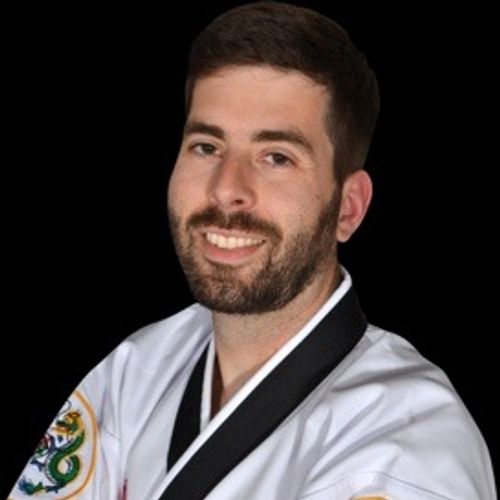

Episode 189
Ep. 189 - Exploring the Transformative Songahm Academic Program in Alaska
This podcast episode elucidates the transformative experiences associated with the Songahm academic program conducted in Whale Pass, Alaska. We engage with participants, including students and instructors, who impart their reflections on the integration of martial arts and education within this unique setting. Through their narratives, we unveil the profound impact of outdoor activities, such as fishing and taekwondo training amidst stunning Alaskan landscapes, fostering both personal growth and camaraderie among attendees. Furthermore, we explore the academic achievements facilitated by this program, highlighting its capacity to supplement traditional education while immersing students in a culturally rich environment. We earnestly encourage our listeners to consider this exceptional opportunity for the upcoming school year, as it promises to be an enriching experience that extends beyond the confines of the dojo.
Takeaways:
- The Songahm Taekwondo program provides a unique educational experience in Alaska, integrating martial arts with academics.
- Participants in the program reported profound personal growth and the development of lifelong friendships.
- Instructors emphasized the importance of trust and communication between students and their families during the program.
- The program encourages students to step outside their comfort zones and embrace new experiences in a beautiful setting.
- Attendees highlighted the enriching combination of rigorous taekwondo training and outdoor adventures, such as fishing.
- Parents considering the program were reassured by the structured environment and dedicated instructors ensuring student safety.
Transcript
Do Songam as part of your education.
Speaker A:Sounds awesome.
Speaker A:Let's talk about it.
Speaker B:Welcome to the ATA Nation podcast.
Speaker A:Instructors, students, parents, masters of ATA Nation.
Speaker A:Welcome Back to the Ata Nation podcast.
Speaker A:This is episode 189.
Speaker A:We are thrilled to be back with you today.
Speaker A:Thank you.
Speaker A:All of those who have gone over and subscribed on YouTube and your favorite podcasting platforms, YouTube.
Speaker A:We are up over 35,000 subscribers.
Speaker A:And guys, we're really just getting started because we need you to head over there, get your friends, subscribe to the ATA Martial Arts YouTube page.
Speaker A:We need you to go over, subscribe.
Speaker A:We want to hit that hundred thousand subscribers all over ATA Nation.
Speaker A:Come on, you got to encourage your friends.
Speaker A:Anyways, let's get started with today's episode.
Speaker A:There's just so much going on with Songam taekwondo and how it's being integrated into different aspects.
Speaker A:And so we've talked with Grandmaster Naomoni Kendriva about Sangam University.
Speaker A:And then last week we did some interviews with some of the kids from, or excuse me, some of the parents from the Alaska program.
Speaker A:And this week we want to bring you some interviews from the kids that attended that program.
Speaker A:Really neat, really enjoyed it.
Speaker A:So we've got the kids and then one of the guys who was one of the instructors that got to go up there with them.
Speaker A:We're going to interview those guys for you today.
Speaker A:Check this out and and be staying tuned to all the things ATAs got going on in this educational sphere and how you might be able to take advantage of this, like going up to Alaska or being part of Sungam University, all these different things.
Speaker A:So let's get to those interviews.
Speaker A:Yeah, we can see a nation.
Speaker A:We've got two students from the Songam academic program in Alaska in Whale Pas, Alaska.
Speaker A:Can you guys introduce yourself?
Speaker C:Hi, my name is Matthew Al.
Speaker C:I'm from North Lake Martial Arts Academy.
Speaker C:I am particularly Black boy.
Speaker A:Excellent.
Speaker D:My name is Kennedi Jenkins.
Speaker D:I'm from North Lake Academy and I am a second degree dach belt.
Speaker A:And I got to interview both of you guys at full nationals.
Speaker A:And you know, I'm still sitting on that awesome footage because I have some editing issues.
Speaker A:But we're going to talk to you guys today real quick.
Speaker A:First thing, what was if somebody was out there and they were like, hey, I heard about this whale Pascalaska thing?
Speaker A:You know, it sounds like it might be neat, but I'm really scared.
Speaker A:I don't want to go.
Speaker A:What would you tell them.
Speaker C:Just because you think it's scary?
Speaker C:I thought I'D be clear for a while.
Speaker C:I was really hesitant.
Speaker C:Hesitant about going, but I.
Speaker C:Once I was there, it was like, I've been in so long, and I believe that everybody's.
Speaker D:Yeah, I was really.
Speaker D:I really didn't want to go, but then my parents convinced me, and when I got there, I made a lot of new friends.
Speaker D:Some of them were from Texas again, some from Idaho.
Speaker D:But I was really focused.
Speaker D:I really did.
Speaker D:But when I was.
Speaker D:Once I got there, it felt like home.
Speaker A:That's awesome.
Speaker A:What.
Speaker A:What was your guys's favorite thing to do as part of the program?
Speaker C:I think one of my favorite things, you know, was fishing.
Speaker D:Yes.
Speaker D:Deep sea fishing.
Speaker A:You guys catch anything good?
Speaker D:Yeah.
Speaker D:Halibut.
Speaker A:Halit.
Speaker D:Halit.
Speaker D:Cod.
Speaker A:Did you guys eat the fish you caught?
Speaker C:Yes.
Speaker C:Yes.
Speaker C:You ate a lot of fish?
Speaker A:Ate a lot of fish.
Speaker A:Now if somebody's like, hey, I'm not a fish eater, are they still allowed to come?
Speaker C:I. I ate fish all my life, and I love black fish.
Speaker A:Okay.
Speaker C:Really being.
Speaker A:There's something different about catching it yourself and eating it, right?
Speaker C:Yeah.
Speaker C:Oh, yeah, for sure.
Speaker A:Alaska fish are just better than everybody else's fish.
Speaker A:What about doing taekwondo all the time?
Speaker A:I mean, you get to do more taekwondo there probably than you get to do in the average week at home.
Speaker A:What was that like?
Speaker C:It was really amazing.
Speaker C:We got warnings all over the place.
Speaker C:We even did our form on the docks that we fished at, and it was just amazing.
Speaker D:If it wasn't raining, we would go outside, go on the dock, like he said.
Speaker D:And it was fun because then we weren't inside all the time.
Speaker D:We were outside enjoying the fresh air.
Speaker A:So a lot of people, when we say Alaska and they're like, hey, you're going to be doing your format on a dock somewhere, they think they're.
Speaker A:You're going to be freezing to death.
Speaker A:It wasn't.
Speaker A:Wasn't like 10 degrees outside?
Speaker C:Oh, no, no.
Speaker D:It was probably around 40s, I think.
Speaker C:The lowest that I ever saw.
Speaker C:Gave us like 27.
Speaker C:Yeah.
Speaker C:And then it would.
Speaker C:Really nice.
Speaker C:Very intense.
Speaker D:Most of the time it was in the 40s.
Speaker D:It felt good.
Speaker A:Nice.
Speaker A:Okay, cool.
Speaker A:Okay, last question.
Speaker A:Somebody's sitting on the fence.
Speaker A:They're like, hey, maybe I'll do this, maybe I won't.
Speaker A:I'm not sure.
Speaker A:What are you going to tell them?
Speaker C:Go.
Speaker D:You should definitely.
Speaker C:I.
Speaker D:You should definitely go.
Speaker D:It's a learning experience.
Speaker C:It's.
Speaker C:In my.
Speaker C:In my opinion, I think it's a really humbling experience to just see the outdoors, even to see the beautifulness of Alaska and get to do taekwondo in Alaska.
Speaker A:Yeah.
Speaker A:I mean, how many people have you met?
Speaker A:Well, I shouldn't say that.
Speaker A:I was going to say how many people have you met who've been to Alaska, but now, like, your percentage is way higher than most people's percentage.
Speaker C:Right.
Speaker A:Before you went to Alaska, how many people did you know who went to Alaska?
Speaker C:I knew about two.
Speaker A:Yeah.
Speaker A:Saying I think I know you guys.
Speaker A:That's the only people I know who've been to Alaska.
Speaker A:So got to get out there.
Speaker A:Take, take action.
Speaker A:Sign up for the Songam academic program.
Speaker A:And are.
Speaker A:Are you guys thinking about going back?
Speaker C:Yes, definitely.
Speaker A:Okay.
Speaker A:So you guys can be the.
Speaker A:Some of the leaders.
Speaker A:When the new guys come, they'll be like, hey, show me what to do.
Speaker D:Yes, sir.
Speaker A:Awesome.
Speaker A:Thanks so much.
Speaker C:Thank you.
Speaker A:ATA nation.
Speaker A:We got a couple of our awesome Songam academic program alumni from Whale Pass, Alaska.
Speaker A:Well, you guys aren't from whale Pass, Alaska.
Speaker A:Tell us where you're from, your name and where you're from.
Speaker B:I'm Brody.
Speaker C:I'm from Sofa Spring, Telsas and I'm 16.
Speaker C:I'm Hunter Rady.
Speaker C:I'm from college Station, Texas and I'm 15.
Speaker D:I'm Claire Smith.
Speaker D:I'm from Bullard, Texas and I'm 13.
Speaker A:Excellent.
Speaker A:And you guys were at the Songham academic the.
Speaker A:The first year of the Songam academic program in whale Pass, Alaska.
Speaker A:Tell us, what was your favorite part of being there?
Speaker A:Training, martial arts, Doing all these outdoor amazing things.
Speaker A:What was your favorite thing?
Speaker C:The most favorite thing that I would say would be training with the scene in the background.
Speaker A:I saw some of the pictures.
Speaker A:It was pretty amazing.
Speaker C:You said, and being able to mix taekwondo and then being able to walk outside and not even walk like the water and have that scenery around, that was just amazing.
Speaker D:I can get quicker than.
Speaker D:I liked it all.
Speaker A:It was all.
Speaker A:It was all great.
Speaker A:What were any of you guys like?
Speaker A:Nervous, apprehensive, scared about going to this program when you first discovered it or when you were told to go or were planning on going?
Speaker C:No, sir, I was not.
Speaker C:Looked like a great opportunity for me to take.
Speaker A:You were an all in guy.
Speaker A:I love that.
Speaker C:I really didn't have a choice.
Speaker C:My parents and my family had gone up there the year before and we were like, we're going back to the same place.
Speaker C:I know the place well.
Speaker C:I know the kids that were there, but I trained with them while I was up there the year before and they were a great group of kids.
Speaker C:So I wanted to go back.
Speaker A:Excellent.
Speaker D:I was actually kind of scared because I had never been up to Alaska.
Speaker A:Before that, and it turned out okay for you.
Speaker A:So what would you guys say to a.
Speaker A:Maybe a parent, Maybe you.
Speaker A:You are trying to convince a friend's parent that, like, hey, I think they.
Speaker A:Your.
Speaker A:Your son or daughter should go to this program.
Speaker A:What would you say to a parent to make them maybe consider this for their kid?
Speaker D:I think I would tell them that it's a very, very good learning opportunity because I skipped a whole math book while in Alaska.
Speaker D:So I did with the beautiful curriculum.
Speaker D:I left Texas when I was in math six.
Speaker D:Now I'm in math eight.
Speaker A:And you did that all while you were in.
Speaker A:In Alaska?
Speaker D:Yes, sir.
Speaker A:Oh, nice.
Speaker A:That's fantastic.
Speaker A:That's a great selling point.
Speaker D:I probably tell them that you can't.
Speaker C:Beat anything even if they're not training.
Speaker D:And so I go Taekwondo.
Speaker C:It's a great learning experience.
Speaker C:It's beautiful up there.
Speaker C:You get a different teaching style than you would down here in your regular school or at other schools.
Speaker A:Love it.
Speaker A:Very cool.
Speaker A:Anything.
Speaker A:Any advice from you, sir?
Speaker C:It is a great learning opportunity.
Speaker C:I'd have to say that.
Speaker C:But I was up there for most of the time, most of the food.
Speaker A:I remember.
Speaker A:I remember you were the food guy.
Speaker A:Yeah.
Speaker A:Yeah.
Speaker A:Well, I.
Speaker A:You know what?
Speaker A:I would have never guessed that Alaska was the place to go for a delicious meal.
Speaker A:So, parents, if your kid is complaining about school lunch all the time, send them to Whale Pass Alaska tested by ATA students all over.
Speaker A:Hey, guys, thank you so much for your time today.
Speaker A:I know you're going to get back to some training with your fellow alumni, so take care.
Speaker A:Who's going back next year?
Speaker C:You, sir?
Speaker C:I'm not really sure right now if I'm gonna be able to make.
Speaker C:I hope I'm gonna be able to make it.
Speaker D:I should have to make it.
Speaker A:Yeah.
Speaker A:Awesome.
Speaker A:Well, again, thank you for your time and enjoy your training.
Speaker C:Thanks, sir.
Speaker A:Aga Nation, we have a.
Speaker A:A special guest with us.
Speaker A:Can you introduce yourself, sir?
Speaker C:Yes.
Speaker B:Hi.
Speaker B:My name's Garrett Richards.
Speaker A:And you were part of this Songam Alaska academic program.
Speaker A:Can you tell us kind of what you did as part of that?
Speaker B:Yeah, absolutely.
Speaker B:So I got to teach in.
Speaker B:Not only, like, on the workout floor, but I also got to teach in a classroom setting where we taught about some of the Songam Taekwondo philosophy.
Speaker B:They got to write some papers about that.
Speaker B:And then we also learned some basic Korean vocabulary, some history of the ata, some reading.
Speaker B:I mean, we did a lot of stuff in the classroom.
Speaker B:It was A really good experience.
Speaker A:Okay.
Speaker A:So this program, it's getting ready to start its second year.
Speaker A:You were up there in a different capacity than some of the people we've talked to.
Speaker A:We've talked to some, some kids that were there, some parents that were part of it.
Speaker A:From instructor side of things, what would you say to a parent who might be considering this for their student?
Speaker A:Whether it be, you know, they're a little concerned maybe about the academics, or they're a little concerned about being away from their Taekwondo school for six weeks.
Speaker A:What would you say to, to a parent who was thinking about.
Speaker B:Yeah, I mean, it's definitely kind of a, a leap of faith, right.
Speaker B:Because of how long the program is.
Speaker B:It's really far away.
Speaker B:But I think that we were really well rounded in everything that we did.
Speaker B:Right.
Speaker B:All of the academic stuff that we did.
Speaker B:There were other teachers on staff.
Speaker B:It wasn't just me teaching everything.
Speaker B:So they did get a nice, well rounded, like, school experience.
Speaker B:And then on the taekwondo side of things, I mean, we worked out every day for a couple of hours or more.
Speaker B:And so, and I got to do some individualized stuff with each student.
Speaker B:And so we really were making sure that nobody was falling behind.
Speaker B:Ultimately, it's a wonderful experience.
Speaker B:I mean, I know you've heard from some of the students, it's beautiful out there.
Speaker B:We got to do a lot of field trips.
Speaker B:I mean, it's really almost a once in a lifetime opportunity.
Speaker A:That's, that's great.
Speaker A:What would you say to a kid, a student who was like, hey, this kind of sounds neat.
Speaker A:Should they just jump on this opportunity or, you know, what action should they take?
Speaker B:Definitely, definitely jump on the opportunity.
Speaker B:Right.
Speaker B:Talk to your instructor, see if they can reach out to Senior Master Hill, get some more information on the program when we're going to be, you know, getting up there this year and everything.
Speaker B:Um, but definitely, if you can, if you are able to take the opportunity, take the opportunity.
Speaker B:It's, it's a great experience.
Speaker A:Are you, you going back up to teach again?
Speaker B:I hope so.
Speaker B:I'm going to have to try to figure out how to work it out with the school again because that was a struggle last year.
Speaker A:Yeah, that's the.
Speaker A:Yeah.
Speaker A:Getting away from the school for six weeks is not always the easiest thing.
Speaker A:Yeah, very cool.
Speaker A:Well, this program just seems super cool at Whitten.
Speaker A:Uh, when did you start Taekwondo?
Speaker A:I should ask.
Speaker B: I started in: Speaker A:Okay.
Speaker A:How old were you?
Speaker B:Eight.
Speaker A:Okay.
Speaker A:So this program was out, let's say it was out back then.
Speaker A:Would it have been something that you would have wanted to do.
Speaker B:Yeah, I would have been really interested in it.
Speaker B:Now, whether or not my parents would have sent me away for six weeks is a different story.
Speaker B:But, yeah, I would have loved to.
Speaker B:To go to Alaska.
Speaker A:What would you say to a parent who is like, a little concerned?
Speaker A:I mean, I honestly, you know, being away from my kid for six weeks, I'm not sure that is a huge thing.
Speaker A:But if I had to think of a group of people to send my kid with, 88 people is probably pretty close to the safest.
Speaker A:So if a parent's worried about their kid, what would you say to that parent?
Speaker B:Well, there are definitely some opportunities for that parent to go to Alaska with their child.
Speaker B:We did have a few parents in attendance with us.
Speaker B:On the other hand, right.
Speaker B:I mean, trust.
Speaker B:Trust your child.
Speaker A:Right.
Speaker C:Trust.
Speaker B:Trust the instructors that are involved.
Speaker B:Right.
Speaker B:We're going to take care of them for sure, like you said.
Speaker B:But we also had opportunities every day where it's like, hey, go call your mom, go call your dad.
Speaker A:Right.
Speaker B:If they're not here, go talk to them.
Speaker B:You need to talk to them, let them know what's going on.
Speaker A:Cool.
Speaker B:So, I mean, we did everything we could to make it as small of a problem as possible, but it was an adjustment period at first.
Speaker A:I know you had parents that were there the whole time.
Speaker A:Were there parents that were able to come up just for.
Speaker A:Maybe they were there for a week or just a little bit of time then as well?
Speaker B:Yes, sir.
Speaker B:Yeah.
Speaker B:Yeah, we had a one or two parents that were there for about a week and then they went back home.
Speaker A:Cool.
Speaker A:Because I know, like, you know, for, for you getting away from the school for six weeks, same for a lot of parents, you know, getting away from work or whatever, but getting to go up there for a week or.
Speaker A:Or a little bit of time to be able to experience the beauty and what's going on and acclimate and stuff, so.
Speaker A:Okay.
Speaker A:Awesome.
Speaker A:Well, sir, anything, any last thing you want to tell ata nation about this awesome opportunity?
Speaker B:Well, I mean, I think it's a great opportunity to kind of get out of your comfort zone, make some new friends and make some lifelong memories.
Speaker B:I mean, this is some stuff that I don't think that these students are going to forget ever.
Speaker B:So again, if you can, take the opportunity, Take the opportunity, get up there, experience it, it's.
Speaker B:It's wonderful.
Speaker A:Sounds great.
Speaker A:Well, I appreciate your time today, sir, and have fun continuing training with these awesome guys.
Speaker B:Yeah, absolutely.
Speaker B:Thank you.
Speaker A:Well, I hope these Interviews gave you a little different perspective on this awesome program, especially from the point of view of the kids who got to go last week.
Speaker A:We talked to the parents, what they enjoyed, how they, you know, felt comfortable with the program, things like that.
Speaker A:And then we want to talk to the kids and some of the instructors this time.
Speaker A:Awesome opportunity.
Speaker A:Really encourage you to check it out for the 20, 26, 27 school year.
Speaker A:You know, there at the beginning, it'll be that first beginning of the year.
Speaker A:So check it out.
Speaker A:Especially, you know, I mean, it could be a really easy thing if you do homeschooling.
Speaker A:If you are not, you know, you can talk with your local school district, see how you can work together on this.
Speaker A:Um, it's a great opportunity that's going to bring us to our athlete of the week, TA Nation.
Speaker A:It's time for our athlete of the Week.
Speaker A:This week we have with us.
Speaker A:Can you introduce yourself, ma'?
Speaker C:Am?
Speaker E:I'm Eliana Benson.
Speaker A:And where are you from?
Speaker E:Jackson, Tennessee, sir.
Speaker A:Jackson, Tennessee.
Speaker A:Who do you train with?
Speaker E:I train with Mitch Sage and Sophia Sage.
Speaker A:Excellent.
Speaker E:Daniel Rivera.
Speaker A:Yes.
Speaker A:Yes.
Speaker A:You can't leave out anybody.
Speaker A:Come on now.
Speaker A:They'll see this online and be like, hey, you missed me.
Speaker A:So, hey, how'd you get.
Speaker A:You know what?
Speaker A:I didn't ask you.
Speaker A:What rank are you?
Speaker E:First degree black belt, sir.
Speaker A:First degree, awesome.
Speaker A:Okay, how'd you get invited?
Speaker A:Or.
Speaker A:It started with martial arts.
Speaker E:So I read about it during school, and then I went home and I told my mom, and she was like, sure, we'll sign you up.
Speaker E:And so she was like, my first class is on Monday.
Speaker E:And I was like, okay, any of.
Speaker A:You been doing it ever since then?
Speaker E:Yes, sir.
Speaker A:Okay, now, so you read about it at school.
Speaker A:Was that.
Speaker A:Did your Taekwondo school there have a program, something at the school, or were you reading about, like, Korean things?
Speaker A:How did.
Speaker A:What was it at the school?
Speaker E:So there's this program called I Ready, and there was a article about taekwondo, and so I read about it and I thought that was interesting.
Speaker A:Okay.
Speaker A:Very neat.
Speaker A:Well, that's fantastic.
Speaker A:I. I wish more schools would teach kids about Taekwondo and they could all come be ata martial artists.
Speaker A:So competitions are.
Speaker A:You're from Tennessee?
Speaker A:Did you say Tennessee?
Speaker E:Yes, sir.
Speaker A:So were you at a tournament, like, yesterday?
Speaker E:Yes, sir.
Speaker A:Yeah, you were at the.
Speaker A:The big Memphis tournament.
Speaker A:How did it go for you?
Speaker E:It went great.
Speaker E:I got all first places.
Speaker A:Can't complain about that.
Speaker A:That's a great, great way to start January.
Speaker E:Yes, sir.
Speaker A:So what's your favorite event to do at a tournament?
Speaker E:I would say forms.
Speaker A:Forms.
Speaker A:Your favorite traditional forms.
Speaker A:Very cool.
Speaker A:Excellent.
Speaker A:Okay, what about your least favorite?
Speaker E:I would say combat.
Speaker E:I don't compete in combat.
Speaker A:No?
Speaker E:No, sir.
Speaker A:Interesting.
Speaker A:Most people love to hit people with.
Speaker A:With a stick.
Speaker A:Not your thing?
Speaker E:No, sir.
Speaker A:No.
Speaker A:Do you do weapons competition?
Speaker E:Yes, sir.
Speaker A:What weapon are you doing?
Speaker E:Sword, sir.
Speaker A:Okay, very popular one.
Speaker A:The gumdo.
Speaker A:That's a good one.
Speaker A:And any.
Speaker A:Have you stepped in to do any creative or extreme yet?
Speaker E:Yes, sir.
Speaker A:Yeah.
Speaker A:What do you, what events do you do there?
Speaker E:I do all four of the events.
Speaker A:Oh, all four.
Speaker A:Okay.
Speaker A:So what's your extreme and creative weapon that you like to use also?
Speaker E:Sword.
Speaker A:Sword.
Speaker A:You just got to cut things, right?
Speaker A:You're the, the Leonardo of the.
Speaker A:Of the.
Speaker A:The training.
Speaker A:Okay, very cool.
Speaker A:What kind of goals do you have when.
Speaker A:Let's start with like competition goals.
Speaker A:What are you looking for?
Speaker A:We've got the rest of this tournament season.
Speaker A:We got the New year.
Speaker A:Are you trying to, to achieve?
Speaker E:I'm just like always trying to get better.
Speaker E:And so I use tournaments as a way to like track my progress.
Speaker E:And so like I really want to get some more world titles because that would be awesome.
Speaker A:That would be pretty great.
Speaker A:Do you have a world title already?
Speaker E:Yes, sir.
Speaker A:You do?
Speaker E:Yes, sir.
Speaker A:What's your world title in Extreme form, sir.
Speaker A:Nice.
Speaker A:Congratulations.
Speaker A:Very cool.
Speaker A:So what about if you're looking outside of.
Speaker A:And I love that form.
Speaker A:First of all, let me say I love that answer.
Speaker A:Using tournaments as just a way to, to get better, to keep going.
Speaker A:You know, obviously aiming for a title or something like that is great, but using it also just to improve yourself.
Speaker A:What about.
Speaker A:I see that you're a legacy member.
Speaker A:You've got the red collar.
Speaker A:What kind of goals do you have?
Speaker A:Maybe for your training as an instructor or you know, testing your second degree, moving forward in belts.
Speaker A:What.
Speaker A:What kind of goals do you have there?
Speaker E:Um, so for like teaching, I want to be able to like lead a class all by myself.
Speaker A:Nice.
Speaker A:Do you have a, a group of students that's like a favorite to help in?
Speaker E:Yes, sir.
Speaker A:Which one's your favorite?
Speaker E:I love the Tigers.
Speaker E:They're so fun.
Speaker A:Tigers are a blast.
Speaker A:I agree with you.
Speaker A:Cannot.
Speaker A:Can't go wrong with Tigers.
Speaker A:They're.
Speaker A:They're awesome.
Speaker A:Um, excellent.
Speaker A:Very good.
Speaker A:And you are any.
Speaker A:What about long term plans?
Speaker A:What are you looking at?
Speaker A:You know, you're a first degree.
Speaker A:What kind of big plans for martial arts are you looking at in the future?
Speaker E:I want to be able to open my own school.
Speaker A:I love that.
Speaker A:What a great goal.
Speaker A:All right, fantastic.
Speaker A:Now, what about for you, before we get to what it means to be an athlete that goes beyond the belt?
Speaker A:If you're looking at the life skills that we talk about in martial arts and this kind of ties along with it, what are those life skills is maybe the one that you like to focus on the most.
Speaker A:Sometimes that means that, like, it's the one that, you know, you need to work on the most, but sometimes it's not.
Speaker A:So what.
Speaker A:What life skill is the one that to you is like, hey, this is the one that kind of, you know, influences me.
Speaker E:I would say discipline.
Speaker A:Are you.
Speaker A:Is it because it's one you need to work on, or are you really good at that one?
Speaker E:It's like half and half.
Speaker A:That's.
Speaker A:I tell my students all the time, like, I am really disciplined when it comes to eating birthday cake.
Speaker A:Like, I have great discipline.
Speaker A:I can work really hard at eating that birthday cake, but sometimes I don't have great discipline at, you know, push ups or whatever it might be.
Speaker A:So I'm with you.
Speaker A:It.
Speaker A:It can be ups and downs.
Speaker A:So what's it mean to you to be an athlete that goes beyond the belt?
Speaker E:I would like apply life skills both on the mat and, like, outside the floor.
Speaker E:And I would just be an example to everyone what Songam Taekwondo means and those lifestyles that you apply in your life.
Speaker A:That's.
Speaker A:That's it.
Speaker A:I mean, we've got to make sure that we are showing, you know, the things that we learn in the school can't stay in the school.
Speaker A:We got to be doing it outside in, you know, our communities, in our schools, educational facilities, all those places.
Speaker A:Excellent.
Speaker A:Well, ma', am, first of all, congratulations on being a great.
Speaker A:A great martial artist, a great athlete of the week, and thank you so much for your time today.
Speaker E:Thank you, sir.
Speaker A:Thank you, foreign guys.
Speaker A:If you're interested in being an Athlete of the Week, make sure you reach out to one of the ATA brand ambassadors.
Speaker A:They can get you the information and see if you might qualify as an athlete of the week.
Speaker A:And then not only will you be on the Ambassador's Corner, you get to come on the AT Nation podcast.
Speaker A:Just like these awesome ambassadors.
Speaker A:Ladies and gentlemen, a couple of quick things I want you to make sure you've marked on your calendar.
Speaker A:I don't want you to forget.
Speaker A:Not only do we have nationals coming up, and, man, it's going to be here before you know it.
Speaker A:Make sure you register for seminars, get your stuff taken care of.
Speaker A:It's going to be awesome.
Speaker A:But the Max Gathering is coming up.
Speaker A:This is number four, the fourth Max Gathering, and this time they're moving out to Texas.
Speaker A:Everything's bigger and better in Texas, so make sure you get your spot saved for the Max Gathering.
Speaker A:They're going to be doing some amazing things there.
Speaker A:You don't have to be on xma or I should say ATA Extreme Pro.
Speaker A:You don't have to be an ATA Max Pro.
Speaker A:You've just got to have an open mind and be ready to learn and take advantage of all the opportunities there.
Speaker A:So make sure you check that out.
Speaker A:That's going to be May 1st, 2nd and 3rd in League City, Texas.
Speaker A:We want you to remember Athlete Development Camp will be this summer again in Little Rock, Arkansas.
Speaker A:Make sure you save time for that.
Speaker A:ATA has announced that they're continuing their legacy member training.
Speaker A:These are those virtual trainings they're doing once a a month online.
Speaker A:You can attend online.
Speaker A:Your school can attend online.
Speaker A:In February it's going to be on the 21st and they're going to be coloring, covering colored belt forms.
Speaker A:On March 14, they're going to be calling black belt forms.
Speaker A:On April 11 they're going to be doing it says color belt forms, but I thought that one was going to be weapons.
Speaker A:I could be wrong.
Speaker A:Maybe they're doing more regular forms on that one.
Speaker A:So make sure these are all available for you to check out on atamartialarts.com another awesome thing to take advantage of as you continue to go beyond the belt.
Speaker A:Guys, thank you for tuning in.
Speaker A:Share this with a friend and we will see you next week.
Speaker B:ATA Nation Podcast.
Speaker B:Be sure to subscribe and share with your ATA family.