
Episode 193
Ep. 193 - Overcoming Overconfidence: A Taekwondo Athlete's Perspective
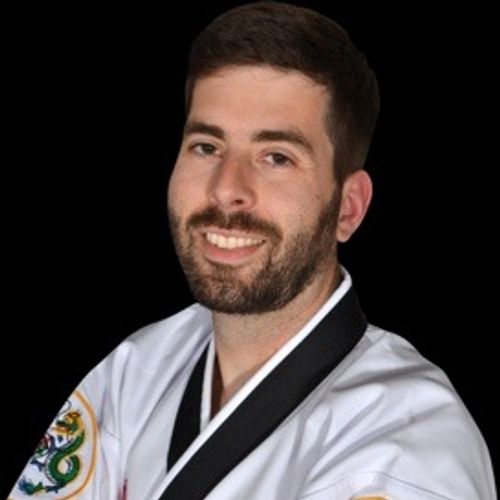
The primary focus of this podcast episode is the exploration of what it truly means to "go beyond the belt" in martial arts. We engage in a profound discussion about the essence of competition, emphasizing that the value of participation should not be solely measured by titles or accolades. This episode features an inspiring interview with our athlete of the week, Cole Hayes, a first-degree black belt who shares his journey and aspirations within the realm of Taekwondo. We delve into the significance of community, camaraderie, and personal growth that arise from competitive experiences. As we approach our milestone episode 200, we invite listeners to reflect on their own motivations and the broader purpose of their martial arts journey.
Takeaways:
- In this podcast episode, we explore the essence of competition beyond mere titles and points.
- The featured athlete, Cole Hayes, shares his journey and aspirations within Taekwondo.
- We emphasize the importance of community and friendship in martial arts training and competitions.
- Listeners are encouraged to reflect on what it means to compete without a scoring system.
- I discuss the significance of enjoying the process of training and competing rather than focusing solely on victories.
- The episode highlights upcoming events and encourages registration for participation in these enriching experiences.
Transcript
I've got one simple question for you.
Speaker A:Let's get started.
Speaker A:Welcome to the ATA Nation podcast.
Speaker A:Students, instructors, parents, masters of song, I'm Taekwondo.
Speaker A:Welcome Back to the Ata Nation podcast.
Speaker A:This is episode number 193.
Speaker A:We are so close to 200.
Speaker A:I'm super excited.
Speaker A:I gotta.
Speaker A:I gotta plan something big for 200.
Speaker A:I don't know what it's gonna be.
Speaker A:Shoot me a message if you have a plan for what I should do for episode 200.
Speaker A:Maybe a live episode.
Speaker A:What do you think?
Speaker A:Would you tune into a live episode?
Speaker A:Let me know.
Speaker A:Okay, ladies and gentlemen, we've got a little bit of a shorter episode for you today, but there's a couple of things I wanted to cover and a question I want you to ponder that I think will help us remember what it means to go beyond the belt.
Speaker A:But before we get to that, I want to start this week with our athlete of the week, ATA Nation.
Speaker A:We're excited to have back with us another awesome athlete.
Speaker A:Hey, sir, can you introduce yourself for us?
Speaker B:Hi, I'm Cole Hayes from Jonesboro.
Speaker B:ATA Martial Arts.
Speaker A:Excellent.
Speaker A:And who's your instructor there?
Speaker B:Francisco Baez.
Speaker A:Excellent.
Speaker A:And what rank are you?
Speaker B:I'm a first degree black belt.
Speaker A:Congratulations.
Speaker A:Very cool.
Speaker A:And hey, how'd you get started in martial arts?
Speaker B:I started about six years ago.
Speaker B:My grandparents recommended it to me because I just had a little sister and she wanted me.
Speaker B:And they wanted me to be able to protect her.
Speaker A:Gotcha.
Speaker A:Very cool.
Speaker A:Okay, well, it seems to have gone pretty well for you then.
Speaker B:Yeah.
Speaker A:What.
Speaker A:What's your.
Speaker A:You know what, what's one of the things that keeps you going to Taekwondo, keeps you, like, interested in and in and attending class?
Speaker B:Well, I mean, there's just so many friends and family that do it with me, and it's just enjoyable because I have been by my side.
Speaker A:That is always fun.
Speaker A:Part of the.
Speaker A:Part of the family.
Speaker A:So as an athlete of the week, I bet you're a competitor.
Speaker A:You out there competing in tournaments?
Speaker B:Yes, sir.
Speaker A:What, what's your favorite event to do at a tournament?
Speaker B:I love all the events, but my favorite is probably either combat sparring or extreme weapons.
Speaker A:Oh, okay.
Speaker A:Those are very different.
Speaker A:I like that.
Speaker A:Okay.
Speaker A:Combat weapons or extreme.
Speaker A:Do you say extreme weapons?
Speaker B:Yes, sir.
Speaker A:What's your extreme weapon that you use?
Speaker B:I use nunchucks.
Speaker A:Okay, Very cool.
Speaker A:Very cool.
Speaker A:You like to throw them up and try to catch them and stuff.
Speaker B:I love it, man.
Speaker B:And stuff.
Speaker A:That's dangerous.
Speaker A:I'm always dropping stuff.
Speaker A:Okay, so what kind of.
Speaker A:Oh, and you said combat Sparring.
Speaker A:What do you like about the combat sparring?
Speaker B:It's probably my best one that I have, but it's also really fun and fast paced.
Speaker A:It is very fast paced.
Speaker A:That is very true.
Speaker A:Do you do any combat, like on a team at all yet?
Speaker B:Yes, we're on Team Kaizen right now.
Speaker A:Very cool.
Speaker B:Rookies.
Speaker A:Rookies.
Speaker A:Nice.
Speaker A:So this tournament season, do you got any specific goals for, you know, titles or just competition how you want to do?
Speaker B:I mean, I'm really looking forward to being the world champ is my main goal right now.
Speaker B:But just to make it through the season without being injured would be great.
Speaker A:That's always a good goal.
Speaker A:I like that one.
Speaker A:In what event are you specifically kind of focused on for maybe getting those red letters?
Speaker B:Combat and sparring would be the main two.
Speaker A:Excellent.
Speaker A:Okay.
Speaker A:Very cool in that first degree division.
Speaker A:Very neat.
Speaker A:Okay, now what about maybe longer term goals?
Speaker A:Whether they're tournament related or, you know, I see that you're in the legacy program.
Speaker A:Rank.
Speaker A:What kind of other martial arts goals do you have?
Speaker B:I mean, I would love to teach at the school that I go to right now.
Speaker B:That'd be awesome.
Speaker B:To take over that school.
Speaker A:That's awesome.
Speaker B:It's really nice.
Speaker A:Yeah.
Speaker A:Very cool.
Speaker A:It's always, you know, looking be an instructor.
Speaker A:So you expect you'll be a master instructor someday?
Speaker B:I hope so, yes.
Speaker A:Oh, hey, no, there's no hoping about it, man.
Speaker A:You just got to set that goal and keep working.
Speaker A:You can do it.
Speaker B:Thank you.
Speaker A:Yeah.
Speaker A:Um, so you know, in martial arts, we've got all these different life skills that we work on.
Speaker A:You know, we're teaching those.
Speaker A:We're.
Speaker A:We're trying to work on them ourselves.
Speaker A:What life skill is the one that you look at and you go, oh, I need to work on that one a little bit more.
Speaker B:I think overconfidence would be my biggest one.
Speaker A:Okay.
Speaker B:Confident.
Speaker B:Yes.
Speaker B:You.
Speaker A:You have a tendency to be a little overconfident.
Speaker B:Yeah.
Speaker A:Okay.
Speaker A:Okay.
Speaker A:That's cool, right?
Speaker A:Gotta work on that humility then a little bit, huh?
Speaker A:Yes, sir.
Speaker A:Hey, you know what?
Speaker A:It always.
Speaker A:Some competition will come, some testing will come, something will come that'll humble you right up.
Speaker A:It always happens.
Speaker B:Yes.
Speaker A:But confidence is important though too.
Speaker A:So it's nice to have that confidence.
Speaker A:We just have to keep it measured, keep it in the right.
Speaker A:In the right place.
Speaker A:I forgot to ask you about tournaments.
Speaker A:What's the event that, like, if you had to like, skip it, you'd be like, yeah, I'm okay.
Speaker A:Skipping this event.
Speaker B:Forms.
Speaker B:I mean, forms get Forms that you
Speaker A:didn't even have to think about that you were just like, boom, forms.
Speaker A:That's it.
Speaker B:With my height and long legs, it doesn't matter how deep my stances are.
Speaker A:What?
Speaker A:I forgot.
Speaker A:How old did you say you were?
Speaker B:I am 10, 12 right now.
Speaker A:Okay, so you're still.
Speaker A:You got to grow into all that stuff still and figure out, you know, I got you.
Speaker A:No problem.
Speaker A:You know, someday maybe you'll be a forms guy.
Speaker A:Right now, just kick people.
Speaker A:Right?
Speaker A:Okay.
Speaker A:Hey, what.
Speaker A:What does it mean to you to be an athlete that goes beyond the belt?
Speaker B:It means a lot to me.
Speaker B:Like, instead of just kicking people like he said, and just there's family in karate, meeting people at tournaments is just a really fun experience for everyone, and it's really enjoyable.
Speaker A:I love that, you know, be part of, you know, this community, part of at nation.
Speaker A:Having other people around us is such a great thing.
Speaker A:So congratulations, sir, on being one of the athletes of the week and good luck in your tournament competition.
Speaker B:Thank you so much.
Speaker A:Awesome.
Speaker A:Athlete of the week again.
Speaker A:I just got done today recording three more interviews for athletes of the week, and we just have some dynamite people in the ata.
Speaker A:Such a variety of awesome people.
Speaker A:And it kind of.
Speaker A:That.
Speaker A:That almost leads me to the question I want to ask you guys to think about.
Speaker A:A question I want you to think about.
Speaker A:And this is as I.
Speaker A:As I think about tournaments and competition and what a big place that holds in so many of the people that we feature their training and whatnot.
Speaker A:I want you to consider what it means.
Speaker A:What.
Speaker A:What would it be like for you to compete and there be no points, no point system, no title system, no anything like that?
Speaker A:What would it be like for you to compete if that were the case, would you still compete at the level that you compete with?
Speaker A:At.
Speaker A:Would it change the way you think about certain things in your competition?
Speaker A:And I'm not saying I'm all for the championship program.
Speaker A:I think it's fantastic.
Speaker A:I think it.
Speaker A:It drives people to strive for higher levels, to push their training.
Speaker A:Um, but I think there are times that we can miss the beyond the belt idea when we focus on championships, on letters, on the outcome versus the process.
Speaker A:I just want you to think about that.
Speaker A:Yesterday here at our school, we had an inner school tournament, a class C tournament, and we did it with another.
Speaker A:Another school.
Speaker A:It was a blast.
Speaker A:We love it.
Speaker A:And I'm looking around and I'm just thinking, you know what?
Speaker A:99% of these students participating today are doing this just for the competition, just for the Fun of competing.
Speaker A:And I want them to continue to build that joy of competing for the sake of competing and even more for the sake of building up this community and learning important lessons and going beyond the belt rather than competing just for points, just for titles.
Speaker A:And I think oftentimes are this goes with, you know, kind of what we talked about with judging and, and such the other week.
Speaker A:But I think there are so oftentimes that we say to compete is to win.
Speaker A:We say, you know, it's about what they learn in the process as a, as a student.
Speaker A:But we don't always reflect that in our actions and remembering that as we walk into a tournament location, as we plan to go to a tournament, as we head to nationals.
Speaker A:You know, obviously I want my students to do great at nationals.
Speaker A:Some of them, you know, they want to be world champs, they want to be district champs, whatever the case may be.
Speaker A:I want that.
Speaker A:But I want them to enjoy the process.
Speaker A:I wanted them to enjoy going tournaments for the sake of going to tournaments, to meet the friends, to hang out with people, to learn more about the ata, to do trainings with the Grandmaster and the other staff from headquarters, to learn more about the art of Songam Taekwondo, to be a great martial artist.
Speaker A:Because improving ourselves is the goal.
Speaker A:Going beyond the belt and beyond the championship, as, you know, the end result.
Speaker A:Anyways, I was just thinking about that question today and I wanted to bring it to you guys.
Speaker A:What would it be like if we didn't have, I mean, a lot of us, you know, can think back to the time when there was only, the only championship thing there was was world champion and world champion was only sparring.
Speaker A:You know, I think back to the days where if you wanted to see if you were in the top four, and it was only the top four and then the top 10, you would have to wait till the quarterly magazine came out and look in there.
Speaker A:There was no 30 day rule.
Speaker A:There was no like, you know, oh, it's not updated in a week.
Speaker A:I'm so angry because the, you know, it was a, it was a little different.
Speaker A:Now also, if you weren't great at sparring, you didn't have any chance of being a world champ.
Speaker A:And now it's nice, you get all these events and all these different things.
Speaker A:But, so I love the championship program, don't get me wrong.
Speaker A:I think it's a great asset to what we have in Songam Taekwondo.
Speaker A:And I want, I encourage my, all my students to compete.
Speaker A:I want them to go and be part of competitions.
Speaker A:Because even if you are not a tournament champion kind of person.
Speaker A:Going to tournaments, competing, being with the people there, is such a.
Speaker A:A great benefit in so many ways.
Speaker A:I've said it on the show before.
Speaker A:I am not a. I've never been a competitor in the way that we think about competitors.
Speaker A:I.
Speaker A:But I've done tournaments since, you know, I was like a purple belt and as a black belt, I was at every tournament, every time, competed every time.
Speaker A:A lot of times I tried to get out of competing, but my instructor was like, nope, you're an instructor.
Speaker A:You're a leader.
Speaker A:You need to go and compete.
Speaker A:And that benefited me.
Speaker A:It was.
Speaker A:It was a good thing for me.
Speaker A:And so it.
Speaker A:But it wasn't about titles or whatnot because I wasn't, you know, motivated by that.
Speaker A:So, anyways, that's my thought for today.
Speaker A:Let me know what you think, and let me know what you think about, you know, doing a live show or something for our number 200.
Speaker A:I think that would be fun.
Speaker A:Don't forget to make sure that you have signed up for all the things for Fall Nationals, because it will be here before you know it.
Speaker A:Registration.
Speaker A:The regular registration rate is gone.
Speaker A:I think we're on the late registration fees now.
Speaker A:You got to get signed up for those seminars.
Speaker A:They've got some amazing seminars this time, so if you haven't checked those out, listen to our past episode with Chief Master Scott Files.
Speaker A:Go on the website.
Speaker A:Get registered.
Speaker A:It's going to be an amazing event.
Speaker A:The Empower Seminar.
Speaker A:I was just talking to Grandmaster Tammy about that event on the business beyond the Mat, and it's going to be amazing.
Speaker A:So, ladies, get registered for that.
Speaker A:You won't want to miss it.
Speaker A:Great time.
Speaker A:And you know, the proceeds of that go to the Huli Scholarship foundation, which is amazing.
Speaker A:So get registered until next week, guys.
Speaker A:Get out there and go beyond the the Belt ATA Nation podcast.
Speaker A:Be sure to subscribe and share with your ATA family.