
Episode 196
Ep. 196 - Building Confidence Through Martial Arts: Lessons from the ATA Nation
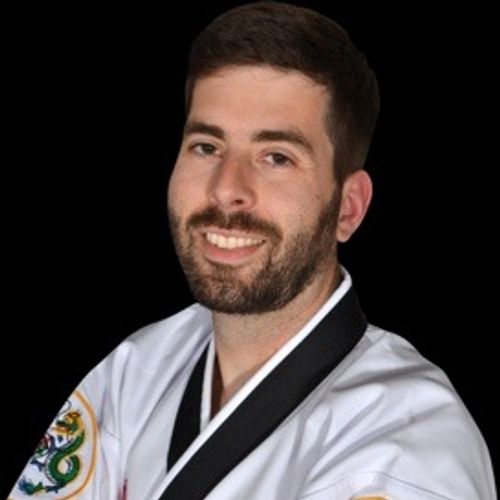
This podcast episode features a compelling dialogue centered around the transformative journey of Master Thornton, a distinguished multi-school owner in the martial arts community. He shares his unconventional entry into martial arts, which began during his teenage years, catalyzed by a desire for a new challenge after abandoning football. The discourse delves into the profound impact martial arts has had on his life, particularly in fostering emotional intelligence and leadership skills, while also emphasizing the importance of resilience and dedication in pursuing one's passions. Furthermore, listeners are treated to insights on the upcoming Spring Nationals event in St. Louis, highlighting the excitement and camaraderie that characterize this significant gathering within the ATA community. As we engage in this enlightening conversation, we invite our audience to reflect on their personal journeys and the invaluable lessons that martial arts impart.
Takeaways:
- This episode features a discussion with Master Thornton, a renowned martial arts school owner.
- The conversation delves into the journey of Master Thornton from a football player to a martial artist.
- Listeners are encouraged to participate in the upcoming Spring Nationals event in St. Louis.
- Master Thornton highlights the importance of building emotional intelligence through martial arts training.
- The episode emphasizes the life-changing impact of martial arts on personal development and leadership skills.
- A compelling narrative unfolds regarding the experiences of adult martial artists and their transformative journeys.
Transcript
We've got a legendary episode for you.
Speaker A:Let's get started.
Speaker A:Welcome to the Ata Nation podcast.
Speaker A:Welcome ATA students, family instructors, masters, all of Ata Nation to episode 196 of the Ata Nation podcast.
Speaker A:How exciting.
Speaker A:And I bet many of you, excuse me.
Speaker A:Are listening to this on your way to Spring Nationals.
Speaker A:I have heard the Spring Nationals attendance is one for the books.
Speaker A:I've seen the video about the city Museum.
Speaker A:I've been to St. Louis, but I haven't been there for Taekwondo.
Speaker A:And I am stoked we will be there Wednesday through Sunday.
Speaker A:And I cannot wait to see all of you there at Spring Nationals.
Speaker A:But that doesn't mean we have a, we don't have a great episode for you today as you get ready to travel to the wonderful spring Nationals in St. Louis.
Speaker A:Which reminds me, I think in the last episode I said Pittsburgh a bunch of times when I should have been saying St. Louis.
Speaker A:My brain, I don't even know.
Speaker A:Anyways, all kinds of amazing things going on.
Speaker A:So let's get to our special guest today, AJ Nation.
Speaker A:Really excited to have with us an amazing school owning, multi school owner, Master Thornton.
Speaker A:How are you today, sir?
Speaker B:I'm doing great.
Speaker A:A lot of people probably know you out there from legendary martial arts, multiple schools, some great competitors underneath you.
Speaker A:But what I like to hear sometimes is just like origin story.
Speaker A:So like how did you get into martial arts?
Speaker B:Well, I don't, I don't have the same story as everybody else.
Speaker B:I grew up playing football.
Speaker B:I've kind of lived everywhere from Mexico to Kentucky to Wyoming and then finally here in Arizona.
Speaker B:But before, in, before we moved to Arizona, I was in San Diego.
Speaker B:And you know, the weather is amazing there.
Speaker B:I like to skate and ride motorcycles and BMX a lot.
Speaker B:And I remember when we moved out here, it was my sophomore year in high school and I told my mom, I was like, hey, I'm going to go get a drink from the gas station.
Speaker B:I'll be back.
Speaker B:I'm a ride on my bike and I started pedaling the way the houses were.
Speaker B:There was like a slight wind, so it's kind of blocking it.
Speaker B:But as soon as I hit the corner, the heat wave hit me and like, I thought my eyebrows burnt off because it just, it's like putting your face, putting the oven on like 500 and opening it up.
Speaker B:And it just, and I just turned around, I went back home and like, I was like, nope, I'm not, I'm not playing football.
Speaker B:I'm not doing anything.
Speaker B:And my brother and sister started classes.
Speaker B:It was Right here, it's called Litchfield park.
Speaker B:And it was Master Moody that owned that school.
Speaker B:And I was like, I watched a couple classes.
Speaker B:I was like, like I was getting bored just sitting in my room, so I was like, I'll try it out.
Speaker B:And yeah, I hated it at first because I was like, who's this was these people?
Speaker B:I guess I was a, just a hard headed teenager.
Speaker A:Wow.
Speaker B:Yeah, I was like 15 and I was like, what is it?
Speaker B:This is silly.
Speaker B:I play football.
Speaker B:I'm a football player.
Speaker B:And, and then just the, the, the relationships, the friendships you build.
Speaker B:Like it just like that's why I tell the kids.
Speaker B:I was like, don't be weird.
Speaker B:Like, I was, I didn't yell or say, yes sir, yes ma' am for like six months.
Speaker A:That's a, that's a 15 year old starting martial arts.
Speaker A:That's 100%.
Speaker A:Yeah, they're not yelling.
Speaker B:Yeah.
Speaker B:And so, yeah, it was camouflage belt.
Speaker B:Then they, they, they told me about competitions and I was like, oh, like I can fight and not get in trouble.
Speaker B:And like, all right, all right, we do some stuff.
Speaker B:Yeah.
Speaker B:And I went to the tournament.
Speaker A:The whole, the whole thing basically was this was a sport you could do with air conditioning.
Speaker A:That was the, the winner, right?
Speaker B:Yep, yep.
Speaker B:And yeah, and then like I said, like, it really, it truly did change my life from, you know, building emotional intelligence and, and you know, back then I didn't know what it was, but you know, it just helped me in so many ways, even from a leadership standpoint and confidence.
Speaker B:So did you always.
Speaker A:Well, obviously not always as you started 15 and you know, didn't yell and whatnot, but at what point did you get the, the bug or did somebody suggest like, hey, you could, you could teach this, you could, you know, be part of, you know, sharing this with other people.
Speaker B:Yeah, they, they made me assist with my brother and sister class because they're younger than me.
Speaker B:And I just, I said I can't.
Speaker B:I just, I was awkward.
Speaker B:I just stand in the corner, do class and just be the best.
Speaker B:Like I said I was pretty athletic, so like, they would use me for examples and stuff like, hey, do this jump front kick or do this K. And like it was just all right.
Speaker B:And then like, I grew to like it.
Speaker B:And then I started helping kids out.
Speaker B:And then one day, I'm pretty sure just like with any instructor, something, something was on fire and everybody else had to attend to that.
Speaker B:And they're like, you go teach this class.
Speaker B:And I look out.
Speaker B:And I was like, I was a Recommended belt.
Speaker B:And I remember looking out and it was like, 40 kids on the mat.
Speaker B:And I was like, how do I do it?
Speaker B:And like, you've been assisting for two years.
Speaker B:Like, what do you mean?
Speaker B:And so I just.
Speaker B:They just got thrown in the fire and loved it ever since.
Speaker B:Yeah.
Speaker A:Wow, that's.
Speaker A:That is so cool.
Speaker A:I mean, what a great story for parents maybe to hear, especially when they like, you gotta force your kid to go a little bit.
Speaker A:You gotta, you know, and now, I mean, you're running multiple schools, you got tons of world champs, you're, you know, really killing it.
Speaker A:What.
Speaker A:What would you tell a.
Speaker A:Let's go with, like, what would you tell a 15 year old who's like, this is lame.
Speaker A:What do you tell them to keep them going?
Speaker B:I guess I would have to tell them that.
Speaker B:Just give 100%.
Speaker B:Give 100%.
Speaker B:And, you know, if you don't give it a fair chance, then you'll never know where you can end up.
Speaker B:Like, I never.
Speaker B:I never thought I would be here where I am now.
Speaker B:And, you know, it's.
Speaker B:Helping others is one of the most gratifying things in life.
Speaker B:When you give to others without expecting anything.
Speaker B:It's just fulfilling.
Speaker B:Find what you're passionate about.
Speaker A:That's awesome.
Speaker B:Yeah.
Speaker A:Fantastic.
Speaker A:Well, sir, I want to thank you for your time today and we'll see you out at.
Speaker A:Or not.
Speaker A:Pittsburgh.
Speaker A:I said that on the last episode.
Speaker A:I was so in trouble.
Speaker A:I kept saying, spring Nationals in Pittsburgh.
Speaker A:We'll see you in St. Louis.
Speaker B:Yes, sir.
Speaker B:Yes, sir.
Speaker A:Awesome.
Speaker A:Great.
Speaker A:Thank you, sir.
Speaker B:You're welcome.
Speaker A:I was really pleased to get to steal a little time from Mr. Thornton for this interview.
Speaker A:He is going to be on an upcoming episode of Business beyond the Map.
Speaker A:This is the podcast and show exclusively for ATA licensees, school owners, and he's dropping some bombs, making sure people understand.
Speaker A:Some great tips on building up your competition culture and especially getting people who might want to compete at Worlds and Nationals, but can't check that out unless you're a licensee.
Speaker A:If you are, make sure you're tuning into that show because Mr. Thornton is going to be in an upcoming episode.
Speaker A:But now we have another guest.
Speaker A:We have our Athlete of the week.
Speaker A:AtNation.
Speaker A:We have our athlete of the Week with us today.
Speaker A:Could you introduce yourself, please, ma'?
Speaker A:Am?
Speaker C:Hi, my name is Bridget Palucci.
Speaker A:And where are you from?
Speaker A:Where are you training?
Speaker C:I train at Renew Martial Arts in Grove City, Ohio.
Speaker A:Oh, is that Master Lindberry or not?
Speaker A:Lindenberry.
Speaker A:Master.
Speaker A:Okay, now you got to tell me.
Speaker C:It's Master Lindbergh.
Speaker A:Lindbergh.
Speaker A:So I was like, I got his name in my head and it was all.
Speaker A:And it didn't come out right.
Speaker A:Master Lindbergh.
Speaker A:Fantastic.
Speaker A:Okay, so how did you get started in martial arts?
Speaker C:My daughter went off to college and my husband needed a.
Speaker C:An adult class buddy.
Speaker A:Okay, so your, your husband and your daughter were in martial arts already?
Speaker C:Yep, all six of us.
Speaker C:6 Of people in my family are all martial arts.
Speaker C:We're all black belts, so.
Speaker A:And you hadn't started yet?
Speaker C:No, no, my kids did it, my husband did it.
Speaker C:I was just.
Speaker C:I was on the sidelines, and then I finally was able to jump in.
Speaker A:Now.
Speaker A:Okay, so what?
Speaker A:You know, we all have the, you know, as a school owner, we all have these parents that sit on the sidelines and you're like, I think this par might do it, but they just take.
Speaker A:What was keeping you on the sidelines versus jumping into class?
Speaker C:Well, I was a bariatric patient, so I was overweight and I was not comfortable in my weight at that time.
Speaker C:But by my daughter went off to school, I had lost a significant amount of weight.
Speaker C:And then that gave me the confidence to put on a uniform and get out there and practice.
Speaker A:Okay, okay.
Speaker A:So it was that comfort level to start with that you needed to be.
Speaker A:To get on the floor.
Speaker C:Definitely.
Speaker A:Okay, okay.
Speaker A:And so now how have you seen, has martial arts continued to help with that?
Speaker A:What, what impact?
Speaker A:I mean, obviously you've seen your kids do this for years and years.
Speaker A:What's it been like to be on the floor now?
Speaker C:It's definitely humbling because I would give them so much grief about, oh, why don't you remember your form?
Speaker C:I'm like, oh, it's really hard to remember your form.
Speaker C:But no, but that was just the exercise, the activity, the respect and the discipline in myself that I've had to build up over the years has really been the driving force to keep me going.
Speaker C:So.
Speaker C:So, yeah.
Speaker A:Okay.
Speaker A:So now, Lee, you know, for some parents, I know it's a thing they do with their kids.
Speaker A:I've had some.
Speaker A:Some parents that.
Speaker A:That started it.
Speaker A:It's thing they do.
Speaker A:And then we have some that, like, the parents start and they like, no, this is now.
Speaker A:It's my thing now too.
Speaker A:This is my, you know, is that kind of where you are?
Speaker C:Yeah, a lot of my kids have kind of taken a step back, a break from it.
Speaker C:Even my husband has taken a break, but.
Speaker C:So I'm the only one that continues right now.
Speaker C:So I'm like, yay, I have testing and yay.
Speaker C:I'm going to go do a competition, so.
Speaker C:And it's been, it's my thing now and, and I love that.
Speaker C:Like it's, it's on me.
Speaker A:That's very cool.
Speaker A:What, what ages are your kids?
Speaker C:I have a 22 year old, a 14 year old, a 12 and 11.
Speaker A:Okay, so you still have some that are down in the ages that are like, you know, you're taken care of all the time.
Speaker A:You know, you're running in places, doing things.
Speaker A:Okay, cool.
Speaker A:So competition.
Speaker A:Are you a competitor?
Speaker A:You go to tournaments and stuff?
Speaker C:Not as often as I would like to, but yes, I do.
Speaker A:Okay.
Speaker A:Okay.
Speaker A:What's your, what's your go to event?
Speaker C:Lately it's been sparring and combat.
Speaker A:O.
Speaker A:Okay.
Speaker A:Sparring and combat.
Speaker A:Did you think that was gonna be your thing when you started?
Speaker C:No, I did not.
Speaker C:Because I'm very shy.
Speaker C:I don't wanna hurt anybody.
Speaker C:Whether it's like a little kid when we're in.
Speaker C:Not little kid, but like a teenager.
Speaker C:And when we're in class practicing, I just, I have that fear of like I'm gonna kick too hard or I'm gonna punch, you know, too hard.
Speaker C:And I'm a very reserved person.
Speaker C:So that's been the hardest thing about doing it.
Speaker C:But then you're like, no, release the beast and try.
Speaker C:So excellent.
Speaker A:Very cool.
Speaker A:Okay.
Speaker A:What, what, like if you were there, there's an event that you're like, yeah, no thank you or is lower on the list.
Speaker A:What would that be?
Speaker C:That'd be weapons.
Speaker C:The fear of dropping the weapon would be my biggest thing.
Speaker A:You just got to pick one of the weapons that is really hard to drop.
Speaker C:Which weapon would that be?
Speaker A:Depends on the.
Speaker A:Yeah, you're.
Speaker A:You're right.
Speaker A:The single bong monkey.
Speaker A:Single bong monkey I see dropped very few times.
Speaker C:There you go.
Speaker C:Maybe next.
Speaker A:But you don't see it at, you know what, One of our athletes of the week and I, I don't know if it comes out before this one or after this one is a single bong Mangi competitor.
Speaker A:And I told him his job is to bring single bong Mongi back in to the mainstream of competition because you just don't see it very often.
Speaker C:Oh, nice.
Speaker A:So yeah, you can join him in the, in the mission to bring back single bong mongi.
Speaker A:What kind of, what kind of goals do you have for your martial arts training?
Speaker C:Oh, be better at, I guess building my confidence when it comes to sparring and combat and knowing that you're not going to Hurt anybody.
Speaker C:And if you do, it's not intentional.
Speaker C:And then having the confidence to go out there and compete in it too.
Speaker A:Awesome.
Speaker A:I love that.
Speaker A:Yeah.
Speaker A:I mean, it, it does take.
Speaker A:I think it, I don't know, I, I feel like it's depends on the person that, that not wanting to, you know, hurt somebody.
Speaker A:But later on, you know, as you get used to it, it's just one of those things is like, yeah, we might, we might hurt each other a little bit, but afterwards we're all hugging and we're like, hey, no, that was a good hit.
Speaker A:That was a great.
Speaker A:You know that.
Speaker A:So it's, it's a good time.
Speaker A:What about, do you.
Speaker A:Are you doing any.
Speaker A:Not tournament related training, things like legacy or leadership, anything like that that you have working in?
Speaker C:Nope, I, I don't do any of that.
Speaker C:I just get a class two to three days a week and that's nice.
Speaker C:I know that it's probably a requirement once you go up to third degree and you want to become a fourth degree, you got to do all that.
Speaker C:But I got time.
Speaker A:No, yeah, you got plenty of time.
Speaker A:Yeah.
Speaker A:No, focus on your training.
Speaker A:Enjoy the process, you know, go through all that stuff.
Speaker A:I love it.
Speaker A:Okay, so what does it mean to you to be an athlete that goes beyond the belt?
Speaker C:It means that I put myself in a position to try my best, to do my best and push my limits.
Speaker C:And that has been the greatest feat, especially being a bariatric patient.
Speaker C:Finding the comfort in my skin and my abilities and knowing that my body is capable.
Speaker C:You just gotta get your mind in the mental space to do that.
Speaker A:I love that it's, you know, not even just somebody with like a bariatric thing or whatever, but so often we have a who we think we are in our heads and who our bodies say we are are not always.
Speaker A:They don't always match, you know, in that, like, I can't do that.
Speaker A:You know, I can't go out and do that.
Speaker A:And it's like, no, you could totally do that.
Speaker A:So I think it's great to have an athlete like you on the athlete of the week because you're a mom.
Speaker A:You took this, your kids have been doing it for years.
Speaker A:You took on the task and you're like, hey, now you own it.
Speaker A:You do it.
Speaker A:You're doing it for you.
Speaker A:And I think that's a great inspiration.
Speaker A:So thanks so much.
Speaker C:Yeah, thank you for having me.
Speaker C:I'm proud of myself and I'm always encouraging others like other adults, like, you can do it too.
Speaker C:If I can do it, your kids can do it.
Speaker C:You can definitely do it.
Speaker A:I love that.
Speaker A:We just had a. I just had a mom come on to.
Speaker A:To just come on the mat and start.
Speaker A:I told him that's the hardest step.
Speaker A:You're that.
Speaker A:That step from off the mat to on the mat is the hardest step.
Speaker A:After that, you know, you're just kicking things.
Speaker A:It's fine.
Speaker A:So awesome.
Speaker A:Hey, thanks so much for your time today, and congratulations.
Speaker C:Thank you.
Speaker C:Thank you for having me,.
Speaker A:Man.
Speaker A:I love having athletes of the week on that are adults, especially that come in as ad adults, not just, you know, started as a kid and come up.
Speaker A:What a great story from our athlete today.
Speaker A:Congratulations.
Speaker A:It's so cool.
Speaker A:Now, ladies and gentlemen, that's going to wrap our show up for today, but I need you to do a couple of things for me.
Speaker A:Number one, share this with a friend.
Speaker A:All right, I would love to make sure that we are getting this information out to all of ATA nation.
Speaker A:We'd love to have you share it with a friend.
Speaker A:And then if you see me at spring Nationals and you're a watcher or a listener of the podcast or the YouTube, make sure you let me know.
Speaker A:Say hi, say hey.
Speaker A:I listen.
Speaker A:And I will ask you if you subscribed on YouTube, because we're trying to grow that YouTube base for ATA.
Speaker A:We want that YouTube silver play button.
Speaker A:But I need your help.
Speaker A:So when you compete at Nationals, tell all the friends in your ring.
Speaker A:Hey, have you subscribed to the ATAs YouTube page?
Speaker A:You should.
Speaker A:You get to see this cool podcast.
Speaker A:You get to see awesome reels or shorts, whatever they're called on there from our brand ambassadors and our interviews.
Speaker A:Make sure they're on there.
Speaker A:And maybe, you know, let me know what you want to see on the YouTubes as well.
Speaker A:Maybe we can pop some new things in there.
Speaker A:I'd love to hear.
Speaker A:Okay, guys, I will see you at Spring Nationals podcast.
Speaker B:Be sure to subscribe and share with your ATA family.