
Episode 200
Ep. 200 - May the 4th Be With You
Most martial artists learn discipline and focus, but few realize how deeply these skills transfer to everyday life — from school success to athletic performance. In this electrifying episode, we uncover the surprising ways martial arts training shapes confidence, resilience, and even athletic versatility beyond the mat. Whether you're a seasoned practitioner or just starting out, discover how the mindset, discipline, and physical skills developed in martial arts can give you an unbeatable edge in any activity, from swimming to team sports.
Join us as we break down inspiring stories from teen martial artists, revealing their goals and how their training impacts everything they do. You'll discover: why a third-degree black belt sees martial arts as more than just self-defense; how form and sparring are interconnected, and why flexibility and discipline in one sport directly boost performance in another; and the importance of judging at tournaments—not just competing—to deepen your understanding and leadership. If you've ever wondered what it truly means to be a martial artist that goes beyond the belt, this episode is for you.
We also dive into future ambitions—whether competing, judging, or teaching—and discuss how martial arts values translate into success in school, swimming, and beyond. If you're a parent, coach, or student aiming to build more than just physical skills, this conversation offers practical insights on living a martial arts mindset in every aspect of life.
Whether you're aiming to improve your performance, nurture a young athlete, or explore new ways martial arts cultivates life skills, this episode is packed with motivation and practical takeaways. Tune in for a deep dive into how martial arts truly shapes the whole person—beyond the belt—and why that matters now more than ever.
Takeaways:
- In this episode, we explored the intricate relationships between martial arts techniques and the iconic fighting styles depicted in the Star Wars franchise, illuminating the artistry involved in both realms.
- We discussed how Yoda's martial arts inspiration evolved from an initial concept of monkey-like movements to a more refined style that reflects his wisdom and mastery of the Force.
- The episode featured an in-depth examination of the various lightsaber forms, showcasing how real martial arts techniques influence the choreography seen in Star Wars lightsaber battles.
- We highlighted the significance of character fighting styles, such as Obi Wan Kenobi's defensive approach and Anakin Skywalker's aggressive tendencies, drawing parallels to sparring techniques utilized in martial arts training.
- Our athlete of the week shared insights into the importance of maintaining a balance between martial arts and academic commitments, reflecting on future aspirations while engaging in competitive environments.
- We concluded with a call to action for the ATA community to ensure their tournament points are accurate as the season transitions, emphasizing the importance of being proactive in competitive participation.
Transcript
May the 4th be with you.
Speaker A:Been an action packed week in Ata Nation.
Speaker A:Let's get started.
Speaker B:Welcome to the Ata Nation podcast.
Speaker A:Jedi Masters, Padawans, younglings, welcome to the Ata Nation podcast.
Speaker A:This is May 4th, and as a Star wars fan, I wanted to bring some of the fun of Star wars to today's episode on May the fourth.
Speaker A:Before we get to all the things going on in Atnation and man, was there a lot going on this weekend.
Speaker A:I want to thank you for tuning in.
Speaker A:This is episode number 200 and I did not plan something extra special for today.
Speaker A:I will plan something extra special, but you know, 18 nations, just so much stuff going on right now that I figured we'd put it off.
Speaker A:We just do it later.
Speaker A:But you know what?
Speaker A:I want to bring you a couple of awesome Star wars facts tied specifically to martial arts.
Speaker A:Did you know that Yoda originally was going to fight like a monkey?
Speaker A:Can you imagine that?
Speaker A:Luckily they changed it and decided to go back to the martial arts inspiration of his fighting, which is amazing.
Speaker A:Darth Maul's double lightsaber is basically a jong bong.
Speaker A:We all know that, and that's why we love Darth Maul's awesome lightsaber battles.
Speaker A:Ray park, the guy who plays Darth Maul in the Phantom Menace, is a, is a martial artist, right?
Speaker A:There's not a lot of CGI that was done for his movements, all his spinning and turning and all that kind of stuff.
Speaker A:Very cool.
Speaker A:There are like seven lightsaber forms, like styles forms for them, which they bring in real, you know, martial arts trainers and things like that.
Speaker A:It says Obi Wan Kenobi, who is one of my favorites, uses the most defensive lightsaber form.
Speaker A:He wins fights by letting opponents make mistakes.
Speaker A:Anakin Skywalker uses power heavy strikes, more aggressive, more risk.
Speaker A:Does that sound like some of you guys in sparring?
Speaker A:Luke Skywalker's fighting style is actually a mix of Obi Wan and Anakin balanced.
Speaker A:H. Sounds familiar.
Speaker A:Darth Vader's suit limits his movements on purpose, which is why his style looks slower and more powerful.
Speaker A:I know some spars like that.
Speaker A:You guys know some sparse like that.
Speaker A:Totally early Star wars fights were inspired by old samurai movies, which is why they feel more duel like than chaotic fights.
Speaker A:So like you watch, look at the like Obi Wan and Darth Vader fight versus like anything in the newer ones.
Speaker A:Much, much different.
Speaker A:The.
Speaker A:I mean, I don't know about you guys, but when the Phantom Menace came out and you get that lightsaber battle with Qui Gon Jinn Obi Wan Kenobi and Darth Maul.
Speaker A:Like, that was the coolest thing.
Speaker A:So fancy and flashy and all that kind of stuff.
Speaker A:It says the Mace Windu uses, not the Mace Windu.
Speaker A:Mace Windu uses a rare aggressive style that channels emotion without losing control.
Speaker A:I don't know about that.
Speaker A:I know there's a lot of people out there that are big Mace Windu fans.
Speaker B:It's not me.
Speaker B:I'm not a huge.
Speaker B:It's not me.
Speaker A:Kylo Ren fights emotionally and unpredictably on purpose.
Speaker A:His style actually shows poor control compared to trained at Jedi.
Speaker A:Guys, it's so interesting how you can look at these and compare how we fight, whether it be combat stick, regular sparring, those kind of things.
Speaker A:You know, you see some of these in our own sparring now.
Speaker A:Guys, enough with the Star wars fun.
Speaker A:Let's get to our athlete of the week before we get to some other awesome things.
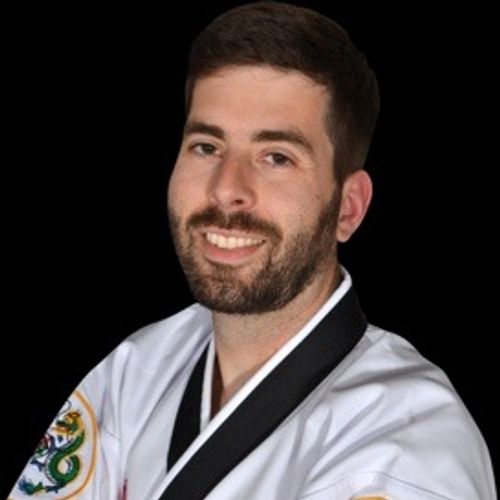
Speaker A:ATA Nation, we have our athlete of the week with us today.
Speaker A:Hey, sir, can you introduce yourself for us?
Speaker B:I am Kean Cat.
Speaker A:And where do you.
Speaker A:Where do you train out of?
Speaker A:Who's your instructor?
Speaker B:I train out of Master Stadfield school here in Pittsburgh, Pennsylvania.
Speaker A:Pittsburgh, Pennsylvania.
Speaker A:Very good.
Speaker A:Okay, well, you know, I love to go to Pittsburgh for nationals.
Speaker A:Always, Always a good time over there.
Speaker A:So, hey, what.
Speaker A:What belt rank are you?
Speaker B:Third degree Black belt.
Speaker A:Third degree.
Speaker A:Very good.
Speaker A:Okay, so what.
Speaker A:What got you started in martial arts?
Speaker B:So I joined when I was about three and a half, and my parents originally just put me into it.
Speaker B:And at first I didn't really know what to think, and I kind of just stuck with it because I didn't really have anything else to do, so I just stuck with it.
Speaker B:And yeah, I've been doing it ever since, and I love it.
Speaker A:Oh, that's cool.
Speaker A:So you started, then just kept on trucking.
Speaker A:Have you done other activities outside of martial arts?
Speaker A:Do you do other sports or anything like that?
Speaker B:Yeah, so I'm a swimmer, actually.
Speaker A:Okay, excellent.
Speaker A:What's your favorite stroke?
Speaker B:Definitely breaststroke.
Speaker A:Oh, that's crazy.
Speaker A:That's.
Speaker A:No, no, that's actually pretty good.
Speaker A:Never mind.
Speaker A:I was wrong.
Speaker A:Butterfly.
Speaker A:That's the worst.
Speaker B:Yeah, I hate butterfly.
Speaker B:No, I can't do it.
Speaker B:I look like a thing with your.
Speaker A:Legs when you got to do the dolphin kick.
Speaker A:No, thanks.
Speaker B:Can't do it.
Speaker A:I swim like a rock, so it's okay.
Speaker A:I kick much better than I swim, so.
Speaker A:Hey, you know, as athletes of the week, obviously competition is something that we do do.
Speaker A:What's your like, what's your go to event when it comes to competing?
Speaker B:My go to favorite event is definitely sparring, but the event that I'm probably the best at is probably Forms.
Speaker A:That's interesting.
Speaker A:I love when.
Speaker A:When people are like, this is my favorite, but I'm not always the best at it.
Speaker A:So give me the.
Speaker A:Like, why is one your favorite, but another one's kind of your.
Speaker A:The one you're best at?
Speaker B:I think.
Speaker B:Well, I think for forms with sparring at least, I think it would be a little bit easier because forms tried translates to sparring.
Speaker B:Because, like, if you're flexible in forms, then you can do great in sparring.
Speaker B:And sparring for me is just fun, especially when I get to spar my friends or anything like that.
Speaker B:Like, I just.
Speaker B:I just love doing it.
Speaker B:But Forms is always the one where it ends up going better and I end up doing more consistent in forms.
Speaker B:I'm not really sure why.
Speaker A:Interesting.
Speaker A:Well, I, I agree with you.
Speaker A:I think they're so well tied together.
Speaker A:But I.
Speaker A:You know what?
Speaker A:I have seen a lot recently, and maybe it's just the rings that I'm judging, especially more local divisions and whatnot, that you'll have those people who sparring and they have the flexibility, they have the skills, but they don't spend the time on their form.
Speaker A:And you watch their form and you're like, man, this form, you could have a better form.
Speaker A:You just like kicking people so much.
Speaker B:Yes, definitely.
Speaker B:I, I've noticed that too.
Speaker B:But yeah, it's.
Speaker B:It's kind of just an interesting thing, like seeing that they're so good at sparring and then they're like, oh, well, I don't really do forms that much.
Speaker B:Like, oh, okay.
Speaker B:Yeah, yeah.
Speaker A:And I agree.
Speaker A:I like.
Speaker A:I mean, and to me, of course, I'm a forms guy, so I. I err on that side a little bit, but I just think like a good form, if you can do a great form, you can do most of the other stuff really well.
Speaker A:You know, you just.
Speaker A:It just transfers over so well.
Speaker A:Okay, so what's your event that you're like?
Speaker A:Yeah, I might skip that one.
Speaker B:Definitely.
Speaker B:Weapons.
Speaker A:Yeah.
Speaker B:Yeah.
Speaker A:Are you.
Speaker A:Are.
Speaker A:Do you have a.
Speaker A:Is it all weapons?
Speaker A:You're just like, me and weapons are not like, go together or are there specific weapons that are especially like, oh, I don't want that one.
Speaker B:See that.
Speaker B:Maybe I'm not really too fair to say this because I've actually only done mid range, like pretty much my entire ATA career, but.
Speaker B:So it might be time to Switch over to another weapon.
Speaker B:But weapons is always the one where I'm just like, I gotcha.
Speaker A:I, I understand.
Speaker A:And I mean, mid range is a rough one.
Speaker A:I mean, it's such a popular weapon.
Speaker A:That's right.
Speaker A:I mean, it's a great form.
Speaker A:I love mid range, but it is like, if you go to competitions, you're never not going to see mid range.
Speaker A:You know, it's just always going to be there no matter what.
Speaker A:I. I talked to an athlete not that long ago, and, you know, the, the long range is like, coming back.
Speaker A:Like, it's everywhere.
Speaker A:Everybody's doing long range, and then I talk with one athlete who's doing single Bang Mongi, and I'm like, let's bring back Bang Mong.
Speaker A:I want more Bang Mong in tournaments.
Speaker B:But I, I don't think I'll see that Bung Monkey.
Speaker B:That's a, that's an interesting one.
Speaker B:I honestly can't remember the last time I even picked up a Sigma Bung Monkey.
Speaker B:And I like to have one of those.
Speaker A:Yeah, that's.
Speaker A:There's not, there's.
Speaker A:I mean, I see it very rarely.
Speaker A:I saw great Extreme Double Bung Monkey a couple tournaments ago and it was fantastic.
Speaker A:And I was just like, wow, nobody does this.
Speaker A:This is so fun.
Speaker B:That would actually be really cool because I don't know, the throws and stuff that you can do with that I think would be really unique.
Speaker A:So, yes, it's very.
Speaker A:You know, what it made me think of was Daredevil, you know, very daredevil.
Speaker A:You could do some cool.
Speaker A:Anyways, it was, it was neat.
Speaker A:Okay, tournament wise.
Speaker A:Let's go.
Speaker A:Tournament wise.
Speaker A:First, what kind of goals do you have?
Speaker A:Obviously we're at the end of this season or near the end of the season.
Speaker A:What's this look like?
Speaker A:Maybe future goals for competition.
Speaker B:Future goals for competition.
Speaker B:I would definitely say when it comes to the events itself, I would like to place more in combat and sparring because forms is always the one that seems, like, very consistent.
Speaker B:Like, I always place good in that.
Speaker B:But combat sparring is all over the place.
Speaker B:So that would definitely be one of my goals.
Speaker B:But then another one of my goals would definitely be to judge more, actually, because sometimes, like, I, I get caught up in a bunch of stuff, like after competition.
Speaker B:Like, sometimes I just completely forget about it.
Speaker B:But I do, I want to, like, make an effort to judge more, you know?
Speaker A:Yeah.
Speaker A:Hey, that is great.
Speaker A:I mean, we need great judges.
Speaker A:You know, we had a.
Speaker A:An episode of not this podcast, but the ones for the school owners recently.
Speaker A:About judging and how, you know, how big a difference that can make in students experience at tournaments and doing a great job.
Speaker A:I got to judge I just Tigers at the last tournament, which I don't.
Speaker A:It's been years since I just Tigers, but it was a blast, you know, I had so much fun judging those tigers.
Speaker A:A lot less pressure judging Tigers.
Speaker B:Yeah, because you just.
Speaker B:You just do you.
Speaker B:And they don't really know what to think, so.
Speaker A:Exactly.
Speaker A:And they just have fun, you know, I mean, there's no.
Speaker A:Like, I probably am not gonna have a mom yell at me for making a bad call or anything like that when it's Tigers.
Speaker A:What about.
Speaker A:What about just your martial arts career in general?
Speaker A:What kind of goals do you have as you.
Speaker A:As you look towards the future?
Speaker B:As I look towards the future, I would definitely like.
Speaker B:Like I'm a junior in high school, so the conversation has come up a bunch.
Speaker B:What are you gonna do when you're in college?
Speaker B:You know, what are you gonna continue it?
Speaker B:Like, what's gonna.
Speaker B:What's gonna happen?
Speaker B:I would like to, like, my future goals would be to absolutely stay in it, like, even though, you know, college, it's gonna be busy and all that stuff.
Speaker B:But I would absolutely love to just stay in ata, just go to tournaments and like, you know, have fun while I'm doing it, you know.
Speaker A:Yeah, definitely.
Speaker A:Are you.
Speaker A:Are you doing any legacy program things you do, helping classes, doing any teaching, anything like that?
Speaker B:I do help in classes sometimes.
Speaker B:I.
Speaker B:It's been.
Speaker B:It's been very busy, at least with.
Speaker B:Recently.
Speaker B:Cause swim just like just now ended about a month ago maybe.
Speaker A:Yeah.
Speaker B:But yeah, so I do try to help out with classes a bunch though.
Speaker B:I try to go to classes regular as regularly as I can, so.
Speaker A:Yeah, that's rough.
Speaker A:And.
Speaker A:And then a junior in high school.
Speaker A:So you're.
Speaker A:Yeah.
Speaker A:You got a while, what, probably another year or so until you can test for fourth degree.
Speaker B:Just.
Speaker A:Yeah, yeah.
Speaker A:Well, you know, I think if more athletes, if more martial artists could find a way to, to, to keep going during those college years.
Speaker A:I know it's rough.
Speaker A:I've got students gone off to college and it just starts to fade.
Speaker A:But there are some great things that can continue there, you know, keep those relationships.
Speaker A:And then, you know, I've seen a fair number of them recently that I knew back in the day, and then now they're back training with their kids at ATA schools.
Speaker A:You know, I watched a guy attest he was a fourth or fifth degree now, and, you know, he'd come back after Going to college and now having a family and stuff.
Speaker A:So super cool.
Speaker A:So what.
Speaker A:What does it mean for you to be an athlete that goes beyond the belt?
Speaker B:I think being an athlete beyond the belt means more than just showing up every day and putting, like, just going to class, just.
Speaker B:Just because it's.
Speaker B:I think it's more than that.
Speaker B:Like, you have to do stuff.
Speaker B:Going beyond the belt means doing more stuff, like outside of, like, on and off the mat, for example, you know, working hard in school or, I don't know, just stuff that.
Speaker B:Or your extra extracurriculars or something like that.
Speaker B:Being, like, going beyond the belt means more than just what you do on the mat.
Speaker B:It's how you influence others, how you talk to people, stuff like that.
Speaker A:100.
Speaker A:Yeah.
Speaker A:The.
Speaker A:The.
Speaker A:So I.
Speaker A:You just finished up swim season.
Speaker A:Are there things that you have learned or done in martial arts that have helped transfer over into swim?
Speaker A:I mean, because those are very different physical sports.
Speaker A:But is there anything that you have, you know, done, grown learned in martial arts that have helped in the.
Speaker A:Your swim career?
Speaker B:Absolutely.
Speaker B:Yes.
Speaker B:Well, one, definitely kicking in martial arts has definitely helped in swimming, because that's a big thing.
Speaker A:That's true.
Speaker B:There is kicking, definitely the mindset aspect of it, because I've done.
Speaker B:Whether it's in swimming or martial arts, like, you know, my body can do it.
Speaker B:That's.
Speaker B:That's not the issue.
Speaker B:It's.
Speaker B:It's how I prepare myself for a swim meet or a tournament, you know.
Speaker B:So I think definitely the.
Speaker B:The goals that I set for myself of just going for it no matter what, like, that translates to both, I think, and in martial arts, like, before I even started swimming, I just knew that, like, as soon as I step in the pool or as soon as I step on the mat, like, I just want to give it everything that I have.
Speaker B:And I've done my best to, like, do that for every single practice, whether it's in class or in the pool.
Speaker B:Very cool.
Speaker A:I love that.
Speaker A:You know, I've been thinking recently about kids.
Speaker A:I.
Speaker A:At my school, I've had a flood of kids, you know, you know, taking some time off in the last couple weeks, saying they need to take some time off because it's baseball season.
Speaker A:We got a lot of kids going out and doing baseball and whatnot and just thinking through martial arts and how your training in martial arts can help benefit those other activities that you do, like baseball, like swim, things like that.
Speaker A:So thank you for.
Speaker A:For that answer.
Speaker A:I appreciate your time today.
Speaker A:I know you just got done with school you probably got homework or things you got to work on.
Speaker A:Almost.
Speaker A:Almost the end of the year.
Speaker A:You're almost there.
Speaker B:Almost there.
Speaker B:I got to get through this little.
Speaker B:Little month stretch and then I'm done.
Speaker A:Yes, well, and then you've got.
Speaker A:You'll have a serious case of senioritis.
Speaker A:So you're.
Speaker A:You're almost done with almost being done.
Speaker A:So that's.
Speaker A:And then congratulations on being an athlete of the week.
Speaker A:We will.
Speaker A:We see you.
Speaker A:Pittsburgh.
Speaker A:Oh, no, you're in Pennsylvania.
Speaker A:So you're at a district.
Speaker A:Different districts than me, but qualified for districts.
Speaker B:Yes, absolutely.
Speaker B:All four.
Speaker A:Excellent.
Speaker A:Well, good luck at that and congratulations.
Speaker B:Thank you, sir.
Speaker B:Appreciate it.
Speaker A:So cool talking to all these athletes.
Speaker A:Really a lot of fun for me to get to interview all different kinds of people and just see what they like to focus on.
Speaker A:Challenges, goals, different life situations.
Speaker A:You know, we've had some adults recently in the last couple episodes now, you know, kind of teen middle ground there.
Speaker A:So really cool.
Speaker A:Now, couple of announcements, couple things we want you to remember.
Speaker A:One, hey, let us know if you were out in Portugal or the European championships and camp out there.
Speaker A:How cool.
Speaker A:I love seeing the video from some of my friends out there and.
Speaker A:And photos.
Speaker A:Really awesome.
Speaker A:Like this last weekend in ATA nation was packed.
Speaker A:We had the European championships, we had the South African championships, both of which are the new A plus tournament.
Speaker A:And those two events are going to the new season because our regular season is over.
Speaker A:Those.
Speaker A:Those points and stuff will come to the new 26, 27 season.
Speaker A:And then there was also the Ata Max gathering in Texas.
Speaker A:If you didn't see it, they were live for their night show on Facebook and then on YouTube.
Speaker A:So you can check that whole show out on YouTube.
Speaker A:Some amazing competitors, amazing forms, some talent that is just amazing.
Speaker A:So if I didn't say amazing enough, I'm saying it again.
Speaker A:It was amazing.
Speaker A:So check that out.
Speaker A:Go over to YouTube and check out that video.
Speaker A:You can scroll through that and watch some of the awesome talent there now because we've just hit the end of the season.
Speaker A:There it is.
Speaker A:It is time to make sure that your points are correct.
Speaker A:If your points aren't correct, you.
Speaker A:You need to correct them like this minute as soon as you hear this.
Speaker A:Actually, if you're not subscribed and getting the notifications when things come out, you might be too late.
Speaker A:This is why you should subscribe.
Speaker A:I've got it pulled up right here.
Speaker A: ,: Speaker A:So get online.
Speaker A:Make sure that you are checking those points right away.
Speaker A:If you think there's an something that is incorrect, you need to submit the form, the correction form again, that's linked on their social media.
Speaker A:Don't send them an email.
Speaker A:It needs to be through the form that they have.
Speaker A:They're very important to make sure you do that.
Speaker A:Also go to your ATA Easy signup account and make sure that your email address on your profile there is.
Speaker A:Is updated.
Speaker A:That is where Chief Master Stevens in the tournament department pulls those email addresses to send out announcements about districts, about those kind of things.
Speaker A:So if you're not.
Speaker A:If you put in an email that you don't use anymore there and you still are logging in with that, that's.
Speaker A:You're not going to get the emails that they send out.
Speaker A:So make sure that you are updating that.
Speaker A:Make sure it's correct.
Speaker A:We want to make sure no one is missing out on their opportunities to compete at district championships and we want you to be able to be there.
Speaker A:So please make sure your points are correct.
Speaker A:Check them right now.
Speaker A:As soon as you're done listening to this episode, make sure that you update your email address on your ATA Easy signup account and submit the form if you think there are anything incorrect.
Speaker A:So do that.
Speaker A:Don't miss out.
Speaker A:There will be a short window, you know.
Speaker A:Now when those corrections come in May, we'll headquarters will check them.
Speaker A:Make sure there's anything that needs fixed.
Speaker A:So the other thing that I would.
Speaker A:I would be careful of, okay, no one is.
Speaker A:Is officially a state champion yet.
Speaker A:No one's officially qualified for districts yet.
Speaker A:We got to wait until all those things are set before you can say like, hey, I'm a state champion this or whatnot.
Speaker A:Because things can change, all right?
Speaker A:Things get updated.
Speaker A:Just be aware of that.
Speaker A:And then it'll be a quick turnaround time again as we have registration for districts open.
Speaker A:And then it'll.
Speaker A:And then they'll get the schedules all ready and sent and all those things for districts.
Speaker A:So stay on top of it.
Speaker A:Follow ATA on Facebook, Instagram those places so you don't miss out.
Speaker A:And then of course, check with your instructor and help inform your fellow, you know, competitors in your school.
Speaker A:Just make sure they know what's going on and always refer them to your instructor to make sure they know, hey, this is right.
Speaker A:Whatever the case might be, hey, is this the right thing to do?
Speaker A:Do I need to do this just so the instructor.
Speaker A:Because they have all the info they probably instructors I know.
Speaker A:Just got an email from Chief Master Stevens last night or today about districts and those kind of things.
Speaker A:So just be aware of that.
Speaker A:Get everybody ready.
Speaker A:We want to have a great time with the postseason.
Speaker A:Then don't, guys.
Speaker A:Don't forget, get registered now for the Super 20.
Speaker A:New season's coming.
Speaker A:Don't miss it.
Speaker A:All right, that's going to wrap it up for our Star Wars May the fourth be with you, 200th episode of the 18 Nation podcast.
Speaker A:Thanks again for subscribing.
Speaker A:We appreciate you get out there and go beyond the Belt ATA Nation podcast.
Speaker B:Be sure to subscribe and share with your ATA family.